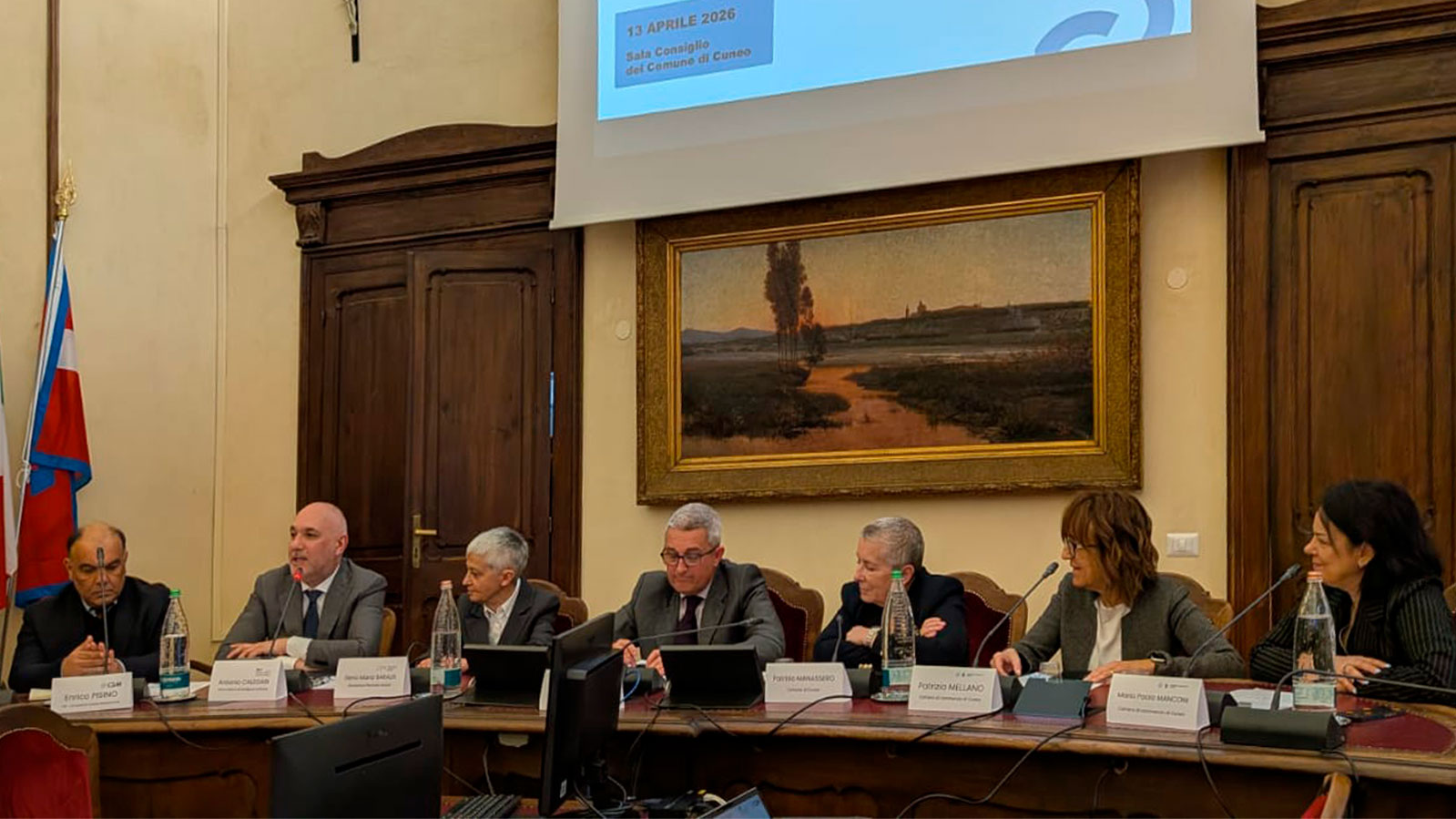
AI4I is among the partners involved in a set of agreements signed on April 13, 2026 by the Chamber of Commerce of Cuneo with CIM 4.0, Fondazione Piemonte Innova and AI4I, aimed at strengthening the digital transition of micro and small enterprises in the region.
The three protocols establish an integrated ecosystem designed to reduce the structural gap that often separates smaller companies from access to advanced technologies. In this context, the collaboration enables local businesses to connect with regional and national centres of excellence, gaining access to competences and tools that would otherwise remain out of reach.
Within this framework, AI4I contributes its operational platforms, including SUK (System for User Knowledge) and initiatives such as AI Match, designed to facilitate the structured matching between industrial demand and technological supply. The objective is to make artificial intelligence accessible and actionable for companies, supporting concrete adoption paths from initial assessment to implementation.
“Artificial intelligence is a key driver of competitiveness for the industrial system, starting from small and medium-sized enterprises. Our commitment is to build operational tools, such as SUK and initiatives like AI Match, that enable companies to access skills and solutions in a structured and accessible way,” said Antonio Calegari. “Strengthening the link between industrial demand and technological capabilities is essential to drive a real transformation. Working closely with local ecosystems is a critical condition to make this process effective and scalable.”
The initiative is implemented through the Chamber’s Punto Impresa Digitale, which acts as a coordination hub for assessment, training and technology transfer activities. In parallel, Fondazione Piemonte Innova supports companies in leveraging data as a strategic asset, while CIM 4.0 contributes with expertise in advanced manufacturing and Industry 5.0, including pilot lines and specialised training.
For AI4I, the agreement represents a further step in strengthening a territorial partnership model that feeds into a broader national strategy, where the adoption of artificial intelligence is developed starting from the specific needs of local production systems and industrial sectors.