


RDE Labs: Vision and Role
A Strategic and Balanced Portfolio
AI4I will activate up to 30 Labs by 2027. The selection follows a portfolio approach, based on:
- scientific proximity to the state of the art
- relevance to current and emerging industrial priorities
- potential for synergy across domains and disciplines
Collaboration with industrial partners and infrastructure
R&D Labs operate primarily at Technology Readiness Levels 3 to 6.
While it actively collaborates with the best academic institution to ensure leading-edge scientific and technical knowledge, they actively seek collaborations with industrial partners in all phases of the R&D process, through Commissioned R&D or Joint Laboratory agreements.
They are supported by AI4I’s Foundry, a system including a large HPC cluster (80 Nvidia B200+68 Nvidia H200) proprietary datasets and tools, and the even larger AI Factory (IT4LIA) promoted by the European Commission.
Areas of focus: AI Methods and Application Domains
The Lab portfolio is structured to cover:
- Four AI methodological paradigms: Perceptive/ML, Generative, Agentic, and Physical AI
- Four main application domains: Manufacturing, Products, Software and Materials
AI4I RDE Labs
Updated: June 16, 2026


AI4I / RDE / AIS Lab
The AI Security Lab protects organizations from emerging threats as they deploy AI technologies at scale. This Lab advances the frontier of AI security through rigorous research in threat detection, vulnerability assessment, and security validation.
Key focus areas include designing robust security frameworks, building automated validation tools, creating threat models, and developing defenses that prevent malicious exploitation. These solutions help enterprises, government agencies, and technology companies confidently deploy AI products while maintaining security and operational integrity.
Name:
AIS / AI Security
Head:
Nicola Franco
WEB page
ais.rd-labs.ai4i.it/
Contact:
nicola.franco@ai4i.it
The AIS Lab advances AI security through rigorous, applied research in threat detection, vulnerability assessment, and protective measures. We focus on securing modern AI systems against realistic, adaptive adversaries, bridging the gap between research and production. Our team conducts foundational research in AI security and translates breakthroughs into practical, deployable solutions that integrate seamlessly with your existing stack. We rigorously evaluate models, agents, and AI systems under real-world attack scenarios, uncovering failure modes across the model, data, infrastructure, and application layers. Beyond assessment, we help organizations secure AI releases end to end. This includes designing adaptive guardrails, implementing continuous monitoring, and establishing robust validation and assurance processes that evolve alongside emerging threats.
Detect. Prevent. Comply.
We equip organizations with the tools and knowledge to deploy AI systems safely and responsibly. Detect risk before it becomes an incident. We run controlled adversarial simulations to stress-test AI systems before real attackers can exploit them. This involves simulating malicious behavior through prompt manipulation, tool-chain disruptions, and protocol deviations to uncover vulnerabilities such as jailbreaks, data leaks, unsafe tool activations, and injection flaws. Translate findings into integration checks. You get replayable evidence, a clear fix plan with ownership, and a regression suite integrated with CI so fixes hold and issues do not return.
Block unsafe AI behavior in real time without adding latency.
We enforce real-time input and output policy, keeping prompts, memory, and tool actions within safe bounds while meeting latency targets. Production telemetry feeds new attack patterns and drift signals into red teaming and assurance so defenses improve with every release.
Meet regulations with evidence.
We run evidence‑based evaluations across model behavior, guard prompts, retrieval layers, tool orchestration, and data handling to catch latent vulnerabilities and misalignment early. We align evaluations to regulatory controls (EU AI Act, NIST AI RMF, ISO 42001, IEC 23894), generate signed, audit‑ready traces, and enforce fail‑fast promotion gates.
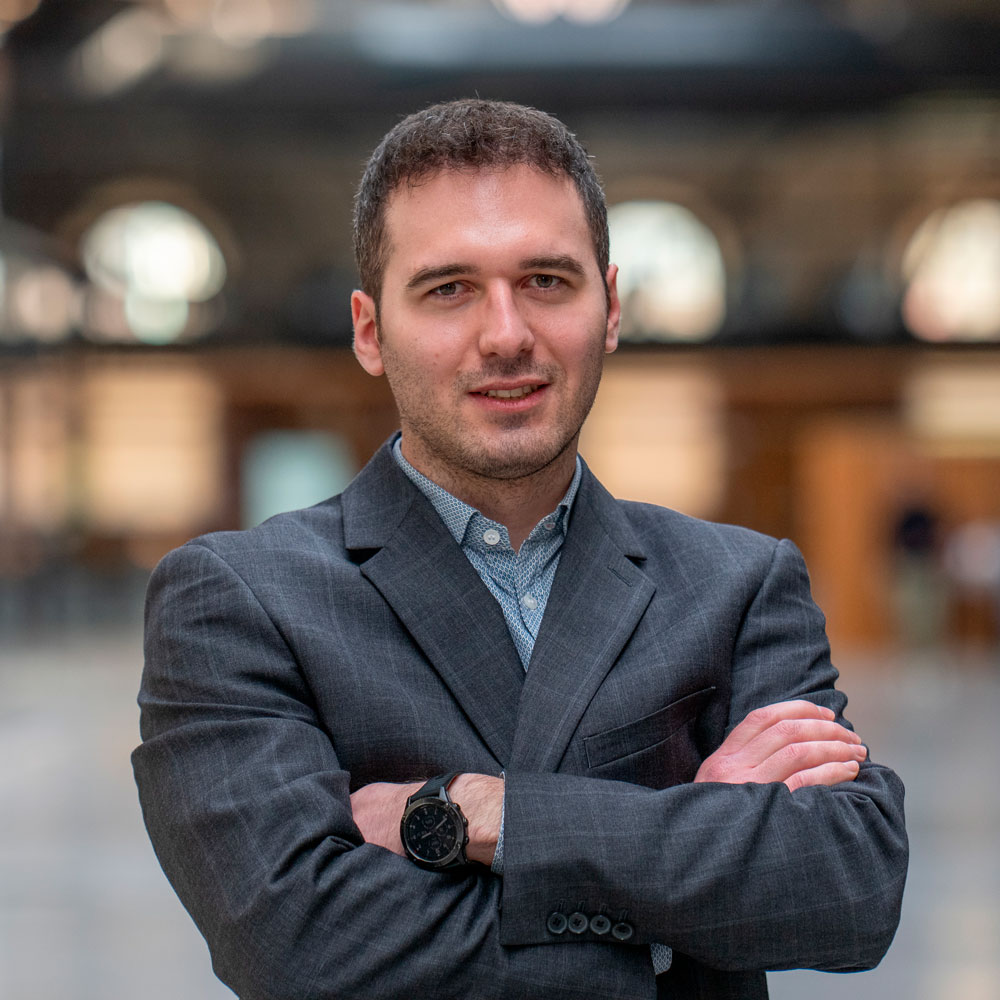
Nicola Franco
Research Director
Dr. Nicola Franco directs the AI Security (AIS) Lab. He is a former research scientist at the Fraunhofer Institute for Cognitive Systems in Munich, where he conducted research on adversarial machine learning in Prof. Jeanette Miriam Lorenz’s group and collaborated extensively with industry partners and public agencies. He holds a Ph.D. in Machine Learning, awarded cum laude, from the Technical University of Munich. His contributions earned him the Best Paper Award in AI Safety at the 2023 IJCAI conference.
Simone Gallivanone
Dr. Galllivanone holds a PhD in Mathematics, with a background in differential geometry and microlocal analysis. His research interests include adversarial machine learning, with a focus on applying mathematical tools to its geometric and robustness-related aspects. Outside of research, he enjoys sports and outdoor activities.
Marco Russo
Marco Russo is a PhD candidate in Computer Engineering at Politecnico di Torino, where he recently submitted his dissertation on quantum computing and quantum machine learning. In 2023, he spent two months as a research scientist intern at Fermilab in Chicago, USA, working on the application of machine learning to quantum control of superconducting qubits on low-latency cryogenic electronics, aiming to achieve high-fidelity quantum gates.
Raffaele Paolino
Raffaele Paolino is a Ph.D. candidate at LMU Munich and the Munich Center for Machine Learning. He recently submitted his dissertation, which focuses on the development of rigorous, high-performance, and scalable graph neural architectures. His research interests center on transforming mathematical insights into reliable ML solutions. For his work, he was awarded an Oral Presentation at NeurIPS 2024.
AI4I / RDE / AMED Lab
The AI for Advanced Materials & Engineering Design (AMED) Lab, led by Dr. Marco Maurizi, develops next-generation AI methodologies, grounded in physics and manufacturing constraints, to enable both scientific discovery and real-world engineering innovation. The lab’s research aims to uncover new design principles, material functionalities, and physical mechanisms in architected and functional materials, while also creating practical AI-driven solutions for pressing technological challenges.
Name:
AMED / Advanced Materials & Engineering Design
Head:
Marco Maurizi
WEB page
amed.rd-labs.ai4i.it/
Contact:
marco.maurizi@ai4i.it
By drastically reducing discovery and development cycles from months or years to days or weeks — and by enabling unprecedented levels of customization — AMED seeks to accelerate the transition from concept to deployment. Its work spans applications ranging from ultrasound devices and adaptive robotic materials to scalable, automated design pipelines for industrial use.
Through this dual focus on foundational advances and translational impact, the lab contributes to sectors including aerospace, automotive, biomedicine, manufacturing, robotics, defense, consumer electronics, and other domains where advanced materials and intelligent engineering design can be transformative.

Marco Maurizi
Research Director
Dr. Marco Maurizi is Principal Investigator and Director of the AI for Advanced Materials & Engineering Design (AMED) Lab at the Italian Institute of Artificial Intelligence for Industry (AI4I) in Turin, Italy. His research bridges artificial intelligence, computational solid mechanics, and advanced manufacturing, with the goal of developing next-generation AI methodologies for the discovery and design of architected materials and engineered systems. His work focuses in particular on physics-informed generative models, graph neural networks, and surrogate physics engines for materials with tailored, adaptive, and reprogrammable functionalities. Prior to joining AI4I, Dr. Maurizi was a Postdoctoral Researcher at the University of California, Berkeley, where he co-led research on AI-driven metamaterials design in Prof. Xiaoyu (Rayne) Zheng’s group within the NSF DMREF program. He received his PhD in Mechanical Engineering, with merit, from the Norwegian University of Science and Technology (NTNU). His research spans impact protection, fracture-resistant lattices, programmable piezoelectric materials, and AI-enabled robotic matter, and is motivated by a broader vision: using AI grounded in physics and manufacturing constraints to uncover new physical mechanisms, enable advanced material functionalities, and accelerate the transition from scientific discovery to real-world engineering deployment. He collaborates with leading research centers across Europe and the United States and serves as a reviewer for journals including Nature Communications, Nature Machine Intelligence, and Nature Computational Science.
Rodolfo Subert
Rodolfo Subert is a Postdoctoral Researcher in the AMED Lab at AI4I, with expertise in computational materials physics and soft matter. Prior to joining the lab, he worked in Prof. Marjolein Dijkstra’s group at Utrecht University, where he studied liquid crystals and self-assembling systems, investigating how microscopic interactions give rise to complex collective behaviors. His background combines statistical mechanics, simulation, and data-driven modelling of structured materials. At AI4I, Rodolfo works on the computational modelling of complex functional material systems and on AI-enabled approaches to the design of robotic matter. His research is particularly relevant to the study of emergent behaviors, integrated sensing and actuation functionalities, and the use of machine learning to uncover new physical mechanisms for advanced materials with capabilities approaching, and potentially surpassing, those found in biological systems.
Marco Benedetti
Marco Benedetti is a Postdoctoral Researcher in the AMED Lab at AI4I, with expertise in physics, machine learning, and complex systems. He obtained his PhD in Physics from Sapienza University of Rome in the group of Nobel Laureate Prof. Giorgio Parisi, where his research focused on associative memory in artificial and biological neural networks. His work brings together statistical physics and learning theory to understand how intelligent systems encode, retain, and generalize information. At AI4I, Marco investigates the foundations of physics-informed diffusion models for scientific and engineering applications. His research focuses in particular on how physical priors can be embedded into generative models to substantially reduce data needs while improving reliability and generalization. Through this work, he contributes to the development of principled AI methods for advanced materials and engineering design.
Binzhou Zuo
Binzhou Zuo is a Master’s Student Intern and incoming PhD student in the AMED Lab at AI4I. He has a background in microdevices, sensing technologies, and data-driven modelling, with interests spanning MEMS-based systems, computational design, and AI methods for engineering applications. His profile combines device-level engineering with modern machine-learning tools. At AI4I, Binzhou contributes to research on AI-assisted design and optimization of ultrasound devices for applications in obstacle detection and biomedicine. His interests include MEMS sensing and actuation technologies, computational modelling, and the use of machine learning to enhance performance, efficiency, and design exploration in small-scale engineered systems.
Paolo Secchi
Paolo Secchi is a PhD student at Imperial College London in Prof. Daniel Balint’s group, a collaborator with the AMED Lab, and an incoming PhD intern at AI4I. His research lies at the interface of machine learning and computational mechanics, with a particular focus on data-driven surrogate models for nonlinear and time-dependent material behavior. His work at AI4I reflects the growing convergence of AI and high-fidelity physical simulation, with the broader ambition of developing the equivalent of large foundation models for physics: general-purpose AI systems for modeling, predicting, and accelerating complex physical phenomena, much as large language models have done for language. Paolo contributes to the development of AI physics engines, including graph-based surrogate models for complex material response. His interests include accelerated simulation, constitutive modelling, full-field prediction, and the use of machine learning to extend and complement traditional numerical methods. His work aligns closely with the lab’s efforts in geometry-agnostic surrogate modelling for physics.
AI4I / RDE / AQUA Lab
The AI-based Software Quality Assurance (AQUA) Lab focuses on developing next-generation software testing and debugging by combining advances in artificial intelligence with software engineering research. Led by Dr. Alessio Gambi, the lab aims to improve the quality, reliability, trustworthiness, and safety of software-intensive and AI-enabled systems while keeping developers at the center of the quality assurance process. AQUA pursues this vision through three interconnected research streams: AI-assisted and automated test generation and debugging, data-driven improvement and optimization of regression testing, and AI-aware software testing education.
Name:
AQUA / AI-based Software Quality Assurance
Head:
Alessio Gambi
WEB page
Under construction
Contact:
alessio.gambi@ai4i.it
The AI-based Software Quality Assurance (AQUA) Lab develops next-generation software testing and debugging by combining advances in artificial intelligence with software engineering research. Led by Dr. Alessio Gambi, the lab aims to improve the quality, reliability, trustworthiness, and safety of software-intensive and AI-enabled systems while keeping developers at the center of the quality assurance process. AQUA pursues this vision through three interconnected research streams: AI-assisted and automated test generation and debugging, continuous improvement and optimization of regression testing, and AI-aware software testing education.
By combining AI, search-based algorithms, runtime analysis, and data-driven methods, AQUA develops approaches that support more effective and efficient software development activities, including automated test generation, fault localization, bug fixing, test optimization and management. Alongside research on software testing and debugging, AQUA works towards preparing current and future generations of developers for the ongoing AI-driven transformation of software development.
The AQUA Lab embraces a holistic view of software quality assurance that spans the entire software lifecycle and cuts across application domains wherever software and AI play a critical role, including dependable software systems, cloud and distributed computing, autonomous cyber-physical and robotics systems. Through its unique combination of foundational research, industrial collaboration, and education, AQUA seeks to foster a new culture of responsible AI-driven software quality assurance with broad technological and societal impact.

Alessio Gambi
Research Director
Dr. Alessio Gambi is Head of the AI-based Software Quality Assurance (AQUA) Lab at the Italian Institute of Artificial Intelligence for Industry (AI4I) in Turin, Italy, and a Scientist of the Cyber Security and Communication Technologies Competence Unit at the Austrian Institute of Technology (AIT), Vienna, Austria. His research lies at the intersection of software engineering, software testing, program analysis, autonomous systems, and artificial intelligence, with the goal of developing next-generation methodologies for improving software quality, reliability, and safety through AI-assisted testing and validation. His work focuses on automated software testing, continuous integration optimization, fault localization, and simulation-based validation of complex and autonomous systems, such as autonomous driving software. Over the years, he has developed approaches that combine search-based algorithms and procedural content generation, generate focused unit tests from system tests, and, more recently, large language models with runtime data to support more effective testing and debugging processes. His research spans applications ranging from cloud computing systems and CI/CD infrastructures to self-driving vehicles and cyber-physical systems. Prior to joining AI4I, Dr. Gambi held research and academic positions at the Austrian Institute of Technology (AIT), IMC University of Applied Sciences Krems, the University of Passau, CISPA/Saarland University, and TU Wien. He received his PhD in Informatics from the University of Lugano, Switzerland, where his work on machine-learning-based self-adaptive cloud controllers anticipated early integrations of AI and software engineering. Throughout his career, Dr. Gambi has contributed to several international research initiatives and collaborations involving academia and industry, including projects funded by National and European agencies, Amazon AWS, Microsoft Azure, and the Swiss National Science Foundation. His research has received multiple awards, including the Facebook Testing and Verification Research Award and the Best Paper Award at the International Conference on Web Engineering. In parallel with his research on software quality assurance, Dr. Gambi is also active in computer science education, investigating how gamification and AI can improve the teaching and practice of software testing. He contributed
to the development of the educational platform CodeDefenders and its extension, AI Defenders, to study the impact of generative AI on software engineering education and developer training. His vision is to empower developers with AI-driven tools and methodologies that improve testing and debugging effectiveness while preserving transparency, trustworthiness, and human oversight, as developers are and must remain the driving force behind software development. Through the AQUA Lab, in collaboration with Leonardo S.p.A., Dr. Gambi aims to advance responsible AI-based software quality assurance and support the development of safer and more reliable software-intensive systems across multiple industry domains.
AI4I / RDE / CRYPTO Lab
The Cryptography Lab at AI4I conducts research at the intersection of cryptography and machine learning. The lab aims to develop new cryptographic tools for machine learning applications and to advance provable trust in AI.
Name:
CRYPTO / Cryptography for AI Systems
Head:
Tamer Mour
WEB page
https://crypto.rd-labs.ai4i.it/
Contact:
tamer.mour@ai4i.it
Core focuses on the lab’s research agenda include: (1) encrypted inference protocols, for running machine learning models while keeping both the model and the queries private, (2) model integrity protocols, that certify the correctness of ML inference and (3) semantic watermarking, for detecting AI-generated content.
The lab’s work spans theory, protocol design, cryptanalysis, and implementation. It is grounded in foundations, seeking a better understanding of the fundamental questions that arise at the cryptography/ML interface, aiming to provide trust solutions with mathematically provable guarantees. At the same time, the research is motivated by practice, with an emphasis on designing practical protocols that can be potentially deployed in the real world.
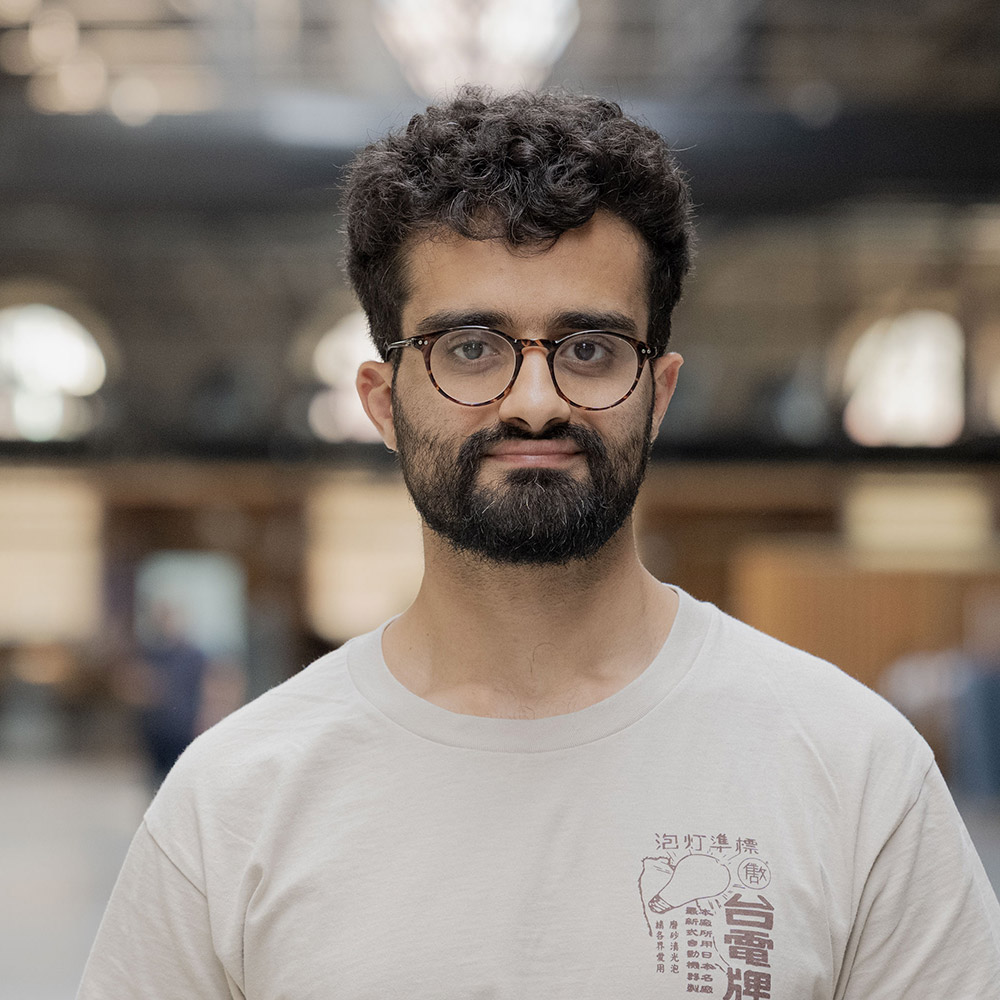
Tamer Mour
Research Director
Before joining AI4I, Tamer was a postdoctoral researcher in computer science at CIFRA lab at Bocconi University, hosted by Prof. Alon Rosen. Tamer obtained his PhD from the Weizmann Institute of Science under the supervision of Prof. Zvika Brakreski and his Master’s degree at Technion, under the supervision of Prof. Eyal Kushilevitz.
AI4I / RDE / EIS Lab
The Edge AI & Intelligent Sensing (EIS) Lab is scientifically led by Prof. Michele Magno, Professor at ETH Zurich and internationally recognized expert in Edge AI, intelligent sensing systems, and ultra-low-power embedded technologies. The lab advances research at the intersection of artificial intelligence, sensing, embedded computing, and autonomous systems, enabling intelligence directly on resource-constrained devices operating in real-world environments.
Name:
EIS / Edge AI & Intelligent Sensing
Head:
Michele Magno
WEB page
Under construction
Contact:
michele.magno@ai4i.it
The lab develops next-generation solutions in Edge AI, wearable and distributed sensing, robotics, smart infrastructure, healthcare technologies, industrial monitoring, and environmental sensing. By integrating innovations in hardware, software, and machine learning, EIS aims to create intelligent systems capable of delivering reliable, real-time decision making while minimizing energy consumption and computational resources.
Through the scientific leadership of Prof. Magno, the lab benefits from a strong international research network, extensive experience in leading and coordinating European research and innovation projects, and long-standing collaborations with world-leading sensing, semiconductor, and technology companies. These connections foster the rapid transfer of cutting-edge research into impactful applications while creating opportunities for collaborative innovation across academia, industry, and society.
The EIS Lab serves as a bridge between scientific excellence and real-world deployment, accelerating the adoption of intelligent sensing and Edge AI technologies across sectors including healthcare, manufacturing, robotics, smart cities, agriculture, transportation, and humanitarian applications.
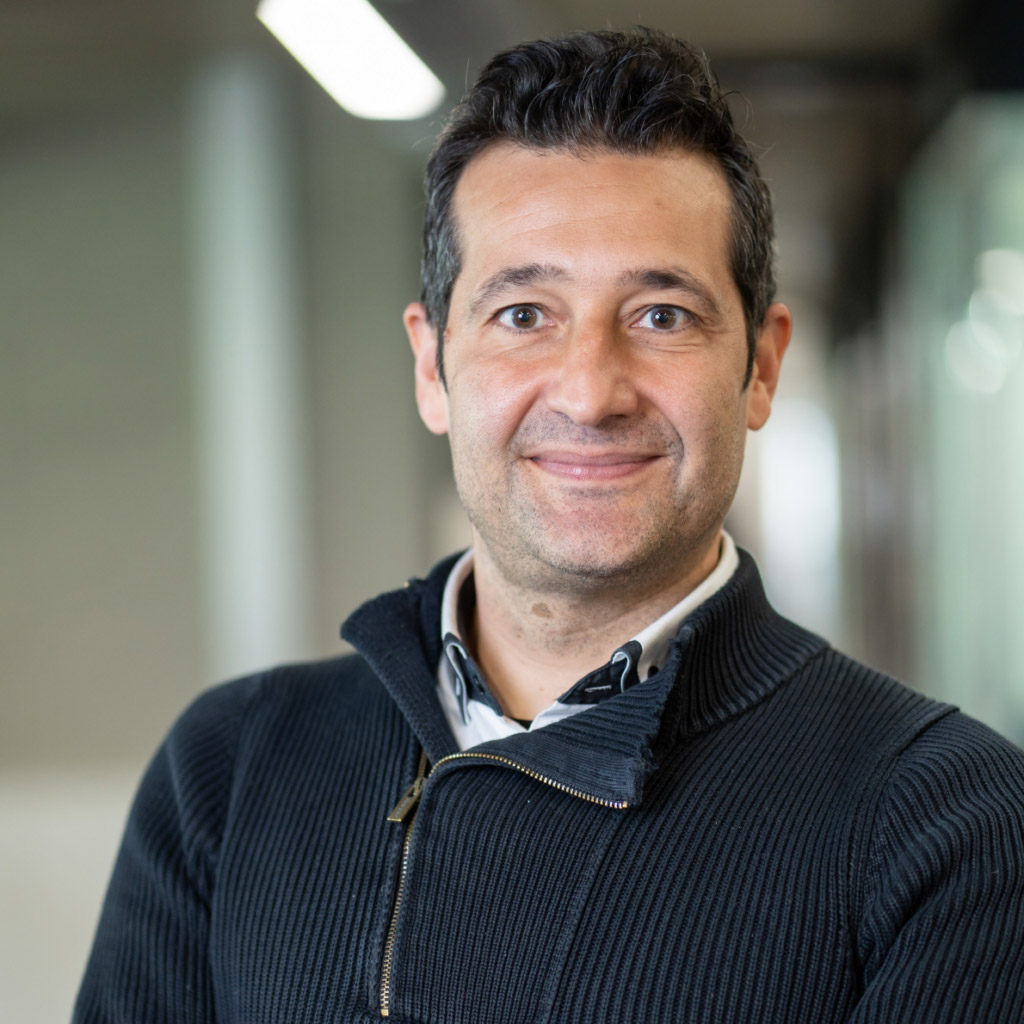
Michele Magno
Research Director
Prof. Michele Magno is Professor at ETH Zurich, where he leads research in Edge AI, intelligent sensing systems, ultra-low-power embedded computing, and autonomous systems. His work focuses on enabling real-time artificial intelligence on resource-constrained devices through the co-design of sensors, hardware, software, and machine learning algorithms.
Prof. Magno has coordinated and contributed to numerous European research and innovation projects and maintains collaborations with leading international universities, research institutions, and global technology companies in the sensing, semiconductor, and embedded systems sectors. His research has resulted in significant scientific contributions and technology transfer activities spanning healthcare, robotics, smart infrastructure, industrial monitoring, agriculture, and humanitarian applications.
At AI4I, he provides the scientific leadership of the Edge AI & Intelligent Sensing (EIS) Lab, fostering collaborations that bridge academic excellence, industrial innovation, and societal impact.
AI4I / RDE / HPC-AM Lab
Under construction
Name:
HPC-AM / Architecture and Methods
Head:
Under construction
WEB page
Under construction
Contact:
Under construction
Under construction
_
AI4I / RDE / IDEALS Lab
At AI4I, through the IDeaLS Lab, Sebastiano Panichella leads application-oriented research on dependable, adaptive, and sustainable intelligent systems, bridging Software Engineering, Data Science, Cloud Computing, and domain areas such as robotics, smart cities, and life sciences. Hence, His research focuses on software engineering for AI-enabled and cyber-physical systems, with emphasis on testing, validation, DevOps/MLOps, and trustworthy autonomy in large-scale, dynamic, and safety-critical contexts.
Name:
IDEALS / Intelligent Development and Large-Scale Systems
Head:
Sebastiano Panichella
WEB page
Under construction
Contact:
sebastiano.panichella@ai4i.it
The Intelligent Development and Large-Scale Systems (IDeaLS) Lab operates within AI4I – Artificial Intelligence for Industries, the national AI center founded by the Italian Government to perform transformative, application-oriented research in Artificial Intelligence. AI4I’s mission is to foster innovation, industrial transformation, and economic growth through cutting-edge AI research and development. With a strong institutional commitment and long-term national funding, AI4I is rapidly evolving into Italy’s leading AI center, shaping the AI research and innovation agenda in Italy and Europe. It builds on a state-of-the-art on-premise HPC cluster, the Leonardo supercomputer at CINECA, and strategic partnerships with the Italian Institute of Technology (IIT), as well as a robust scientific, industrial, and financial ecosystem.
Within this context, the IDeaLS Lab focuses on advancing the foundations and applications of intelligent, adaptive, and dependable software systems.
Its mission is to research and engineer novel methods, tools, and pipelines for the development, testing, and evolution of AI-enabled and cyber-physical systems, combining expertise across Software Engineering (SE), Data Science (DS), Life Engineering (LE), and Cloud Computing (CC).
Research in the IDeaLS Lab explores how AI, Machine Learning, and Generative approaches can enhance software lifecycle activities—from optimized AI training, automated testing, continuous delivery (DevOps/MLOps), runtime monitoring, to code review, maintenance, and intelligent software evolution.
Particular attention is devoted to dependability, explainability, and sustainability of large-scale intelligent systems, ensuring that new AI-driven software ecosystems are transparent, trustworthy, and energy-efficient. The lab promotes interdisciplinary collaborations bridging Software Engineering, Artificial Intelligence, and domain-specific fields such as life sciences, smart cities, robotics, and intelligent infrastructures.
Ongoing and future projects aim to deliver adaptive and resilient software architectures for autonomous and large-scale systems, leveraging empirical methods, cloud-native platforms, and HPC-based experimentation. The IDeaLS Lab aims to serve as a collaborative hub for researchers, industry, and institutions, contributing to AI4I’s overarching vision of developing innovative, sustainable, and impactful AI technologies that empower the next generation of intelligent systems.
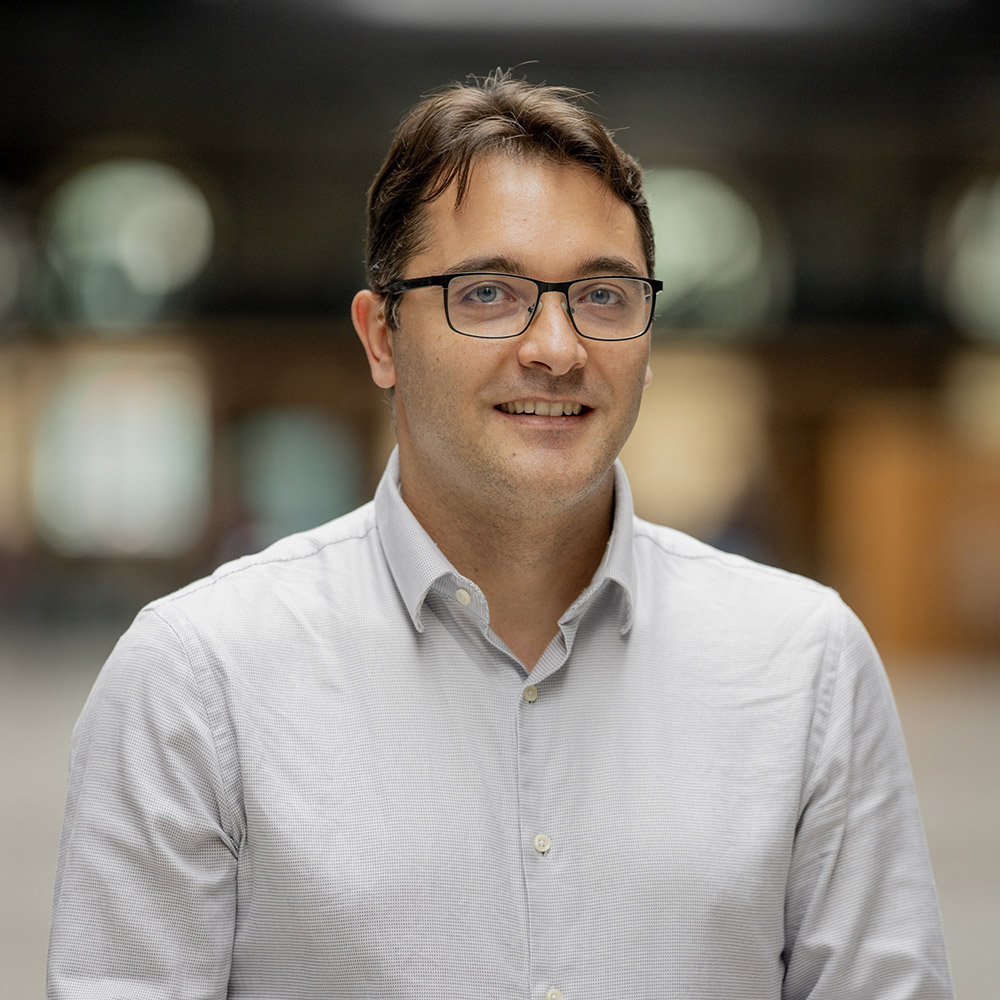
Sebastiano Panichella
Research Director
Sebastiano Panichella is Head of the IDeaLS Lab (Intelligent Development and Large-Scale Systems Lab) at AI4I – Italian Institute of Artificial Intelligence for Industry, the national AI center established by the Italian Government.
His research focuses on computer science research for AI-enabled and cyber-physical systems, with particular emphasis on testing, validation, DevOps/MLOps, and trustworthy autonomy in safety-critical domains such as robotics, autonomous vehicles, UAVs, smart cities, and life sciences.
He has authored over 100 peer-reviewed publications in leading venues including ICSE, FSE, ASE, ICST, TOSEM, and EMSE, receiving multiple Best Paper and Most Influential Paper awards. He has coordinated and co-led national and European projects funded by Horizon Europe, SNF, Innosuisse, and the Hasler Foundation, securing more than CHF 3.5 million in competitive funding.
Dr. Panichella is consistently recognized among the top researchers worldwide in Software Engineering and AI-enabled systems, including the Stanford University Top 2% Scientists ranking and ScholarGPS Top Scholars recognition.
AI4I / RDE / MIRA Lab
The Machine Intelligence for Robot Autonomy (MIRA) Laboratory develops the next generation of tools for Physical AI. Employing and advancing techniques from AI/ML, statistical learning, control theory, and mathematical optimization, MIRA advances embodied intelligence and translates it into real-world impact across aerospace autonomy, future mobility systems, and autonomy at large.
Name:
MIRA / Machine Intelligence for Robot Autonomy
Head:
Daniele Gammelli
WEB page
mira.rd-labs.ai4i.it/
Contact:
daniele.gammelli@ai4i.it
The MIRA Laboratory develops the algorithmic and system-level foundations that enable AI-powered autonomous systems to operate safely, efficiently, and reliably in high-stakes, real-world environments. The lab organizes its work around three interconnected pillars.
(1) Algorithmic foundations of embodied intelligence.
MIRA advances the core capabilities required for trustworthy general-purpose autonomy: zero-shot generalization and compositional reasoning (embodied reasoning and adaptive test-time computation); safety, formal guarantees, and certifiable autonomy (integrating learning-based modules with control-theoretic methods, runtime monitoring, and semantic anomaly detection); and data- and compute-efficient learning (autonomy-specific data flywheels and efficient neural architectures suited to on-board compute constraints).
(2) Bringing algorithmic advances into impactful applications.
The lab applies these methodologies to aerospace autonomy and to future mobility systems and network control, developing coordination algorithms for large-scale networked systems such as robo-taxi fleets, including their coupling with societal infrastructure like the electric grid.
(3) Translating research into technologies for societal benefit.
MIRA co-designs solutions with end users and domain practitioners, rigorously validates methods through staged evaluation (high-fidelity simulation → hardware-in-the-loop → controlled trials with industry or government partners), and facilitates adoption by releasing open, reusable, well-documented tools.
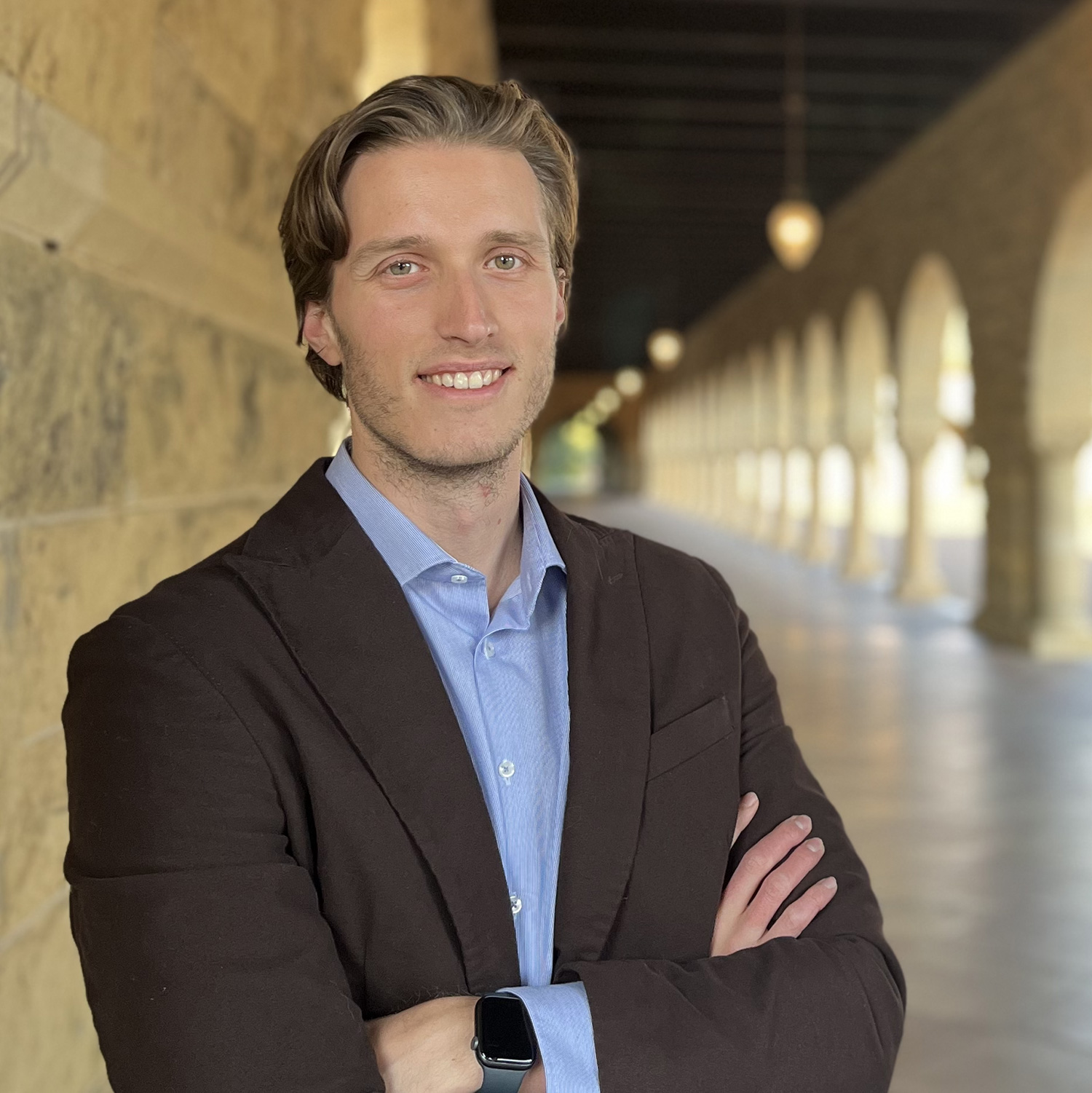
Daniele Gammelli
Research Director
Dr. Daniele Gammelli is the Research Director of the Machine Intelligence for Robot Autonomy Laboratory at the Italian Institute of Artificial Intelligence (AI4I), and a Researcher in the Department of Aeronautics and Astronautics at Stanford University. Since 2022, he has been a Research Fellow at the Center for Aerospace Autonomy Research (CAESAR) at Stanford and, until 2025, at the Center for Automotive Research at Stanford (CARS). He received his Ph.D. in Machine Learning and Mathematical Optimization from the Technical University of Denmark (DTU) in 2022, where his doctoral thesis was nominated for the DTU Best Thesis of the Year Award and the DTU Young Researcher Award. Dr. Gammelli’s research focuses on developing the algorithmic foundations and system-level methodologies that enable AI-powered autonomous systems to operate safely, efficiently, and reliably in high-stakes environments, with an emphasis on aerospace autonomy and next-generation mobility systems.
AI4I / RDE / MM-AI Lab

Under construction
Name:
MM-AI / Multimodal AI for Industry
Head:
Under construction
WEB page
Under construction
Contact:
Under construction
Under construction
_
AI4I / RDE / PHI Lab
The Physical Holistic Intelligence (PHI) lab develops AI models for embodied machines that are truly physically consistent, inherently safe, explainable by design, and efficient. To bridge the gap between advanced AI and the physical world, our research builds on the rigorous mathematical foundations of differential geometry, control theory, optimal transport, and physics. By embracing these principles, the PHI lab designs physical-geometric architectures and learning methods for world and foundation models, it develops safe and efficient RL techniques for model adaptation, and it investigates uncertainty quantification and formal safety guarantees for controlled model generalization. By doing so, our AI frameworks are physical consistent, provide reliable generalization capabilities, work under data-scarce regimes, preserve problem-specific structural constraints, and safely adapt to new tasks or unseen conditions in a resource-efficient fashion.
Our ultimate mission is to design Physical AI frameworks that advance the progress and adoption, in real-world industrial settings, of disruptive technologies based on dexterous robotic manipulation, human-robot collaboration, mobile manipulation, and digital twins for robotics.
Name:
PHI / Physical Holistic Intelligence
Head:
Leonel Rozo
WEB page
Under construction
Contact:
leonel.rozo@ai4i.it
The Physical Holistic Intelligence (PHI) lab operates at the intersection of modern AI techniques and the governing laws of the physical world. We develop AI models for embodied machines that are truly physically consistent, inherently safe, explainable by design, and efficient. To bridge the gap between algorithmic abstraction and physical reality, our research builds on the synergy between pure data-driven models and inductive biases grounded in the rigorous mathematical foundations of differential geometry, control theory, optimal transport, and physics.
Our Core Research Pillars
Standard AI architectures often struggle when operating with the physical world because they ignore its underlying structures. The PHI lab tackles this bottleneck by developing novel algorithmic foundations:
Physical-Geometric Learning & Architectures:
We design neural architectures, generative models, and learning algorithms that inherently obey fundamental physical laws (such as energy conservation and rigid-body dynamics) and better capture the non-Euclidean geometry of multimodal data. By embedding these physical-geometric laws directly into world models or multimodal foundational models, we aim at preventing “hallucinations” of physically impossible states, at reducing the data demand for training and task transfer phases, and at ensuring that the model predictions remain grounded even when extrapolating beyond training data.
Geometric Reinforcement Learning for Lightspeed Adaptation:
By formulating RL problems through the lens of differential geometry, we aim at leveraging the structural biases arising from the policy representation, the underlying dynamical system, and the learning algorithm itself to design resource-efficient RL frameworks. These RL frameworks will unlock fast and efficient adaptation and fine-tuning of robot foundation models, visuomotor policies, among others.
Downstream Industrial Applications:
Our ultimate mission is to translate these foundational Physical AI frameworks into disruptive technologies for real-world industrial settings. We actively leverage our models to solve complex bottlenecks in the automotive, aerospace, manufacturing, and logistics sectors through four primary application domains:
Dexterous Robotic Manipulation:
Tackling contact-rich, highly complex tasks, such as cable routing, flexible material handling, and precision long-horizon assembly tasks, where models must anticipate physical deformations, friction, and multi-contact dynamics without requiring exhaustive real-world training data.
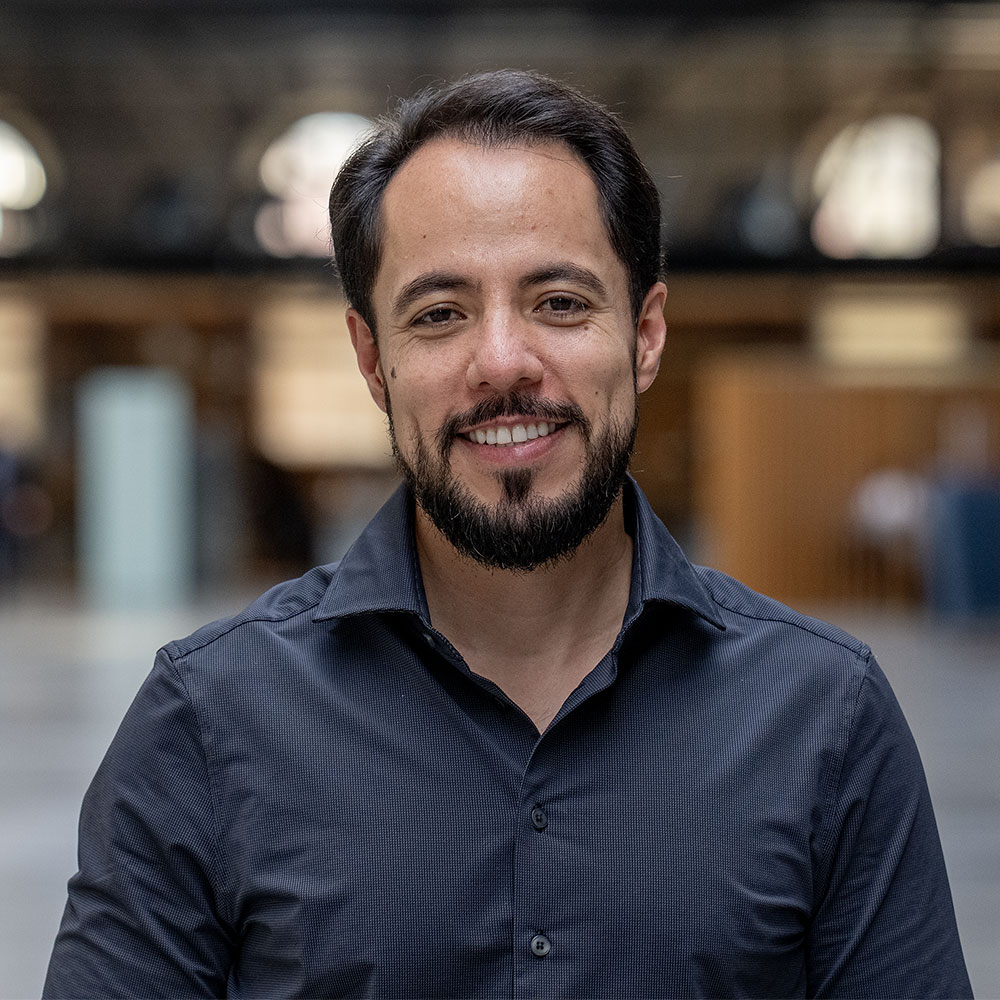
Leonel Rozo
Research Director
Originally from Bogota, Colombia, Leonel Rozo is the director of the Physical Holistic Intelligence (PHI) lab at AI4I, where he aims at advancing the next generation of Physical AI systems by building on safe, efficient, and explainable approaches, with applications in dexterous and mobile robotic manipulation, human-robot collaboration, digital twins for robotics, among others. His research has a unique interdisciplinary approach, grounding machine learning and generative AI in the rigouros foundations of differential geometry, control theory, optimal transport, and physics.
Leonel’s career began with a MSc. and a PhD in Robotics and AI from the Polytechnic University of Catalonia (UPC) in Spain, after which he joined the Italian Institute of Technology (IIT) in Genoa, advancing from a postdoctoral researcher to a team leader, time during which he was awarded a Marie Skłodowska-Curie Action (MSCA) individual fellowship. Later, he spent over seven years as a lead research scientist at the Bosch Center for AI (BCAI) in Germany, where he also led a Bosch Industry-on-Campus (IoC) Lab in collaboration with the University of Tübingen. His work has resulted in over 60 peer-reviewed publications in top-tier machine learning and robotics venues (such as NeurIPS, ICML, ICLR, R:SS, T-RO, and IJRR), some of them recognized as best student paper (R:SS’21), runner-up systems paper (CoRL’19), and best presentation paper (CoRL’19). Besides his scientific contributions, Leonel has contributed to more than 15 industrial patents. Moreover, Leonel is co-author of the book “Riemannian Manifolds in Robot Learning, Optimization, and Control” (Cambridge Uni. Press).
Donatien Delehelle (Postdoc)
Donatien is currently a postdoctoral fellow at the Physical Holistic Intelligence (PHI) lab led by Dr. L. Rozo. His interests are world models and transformers architectures, specifically how physics-inspired models can be leveraged to better understand these models and consequently improve their compute efficiency and modeling capabilities. His current research is situated at the intersection between differential geometry, physics and deep learning. Before joining AI4I, Donatien obtained a master’s degree in data science at Centrale Lyon (France), and later a PhD from the University of Genoa in 2025, carrying out his research at the Italian Institute of Technology (IIT) under the supervision of Prof. Darwin Caldwell and Dr. Fei Chen.
Riccardo Valperga (Postdoc)
Riccardo is a postdoctoral researcher working on Physical AI with an emphasis on geometric structures and physical reasoning. He holds a degree in Physics from Imperial College London and carried out his PhD in the VISLAB at the University of Amsterdam. His research explores how ideas from physics and differential geometry can inform the design of AI systems that understand, model, and interact with physical systems.
Claudio Moroni (PhD student)
Claudio Moroni is currently a PhD student at the Physical Holistic Intelligence (PHI) lab of the AI4I. His research interests lie at the intersection of Deep Reinforcement Learning, Diffusion Processes, Differential Geometry and Hamiltonian Mechanics. Before joining AI4I, he worked as a Data Scientist and Research Intern, contributing to projects in Graph Machine Learning, Time Series Forecasting, Anti Money Laundering and Language Modeling. He holds B.Sc. and M.Sc. degrees in Physics from the University of Turin, both obtained cum laude.
Miguel Rojas Rodriguez (PhD student)
Originally from Madrid, Spain, Miguel graduated from Physics (BSc.) and Theoretical Physics (MSc.) at Complutense University of Madrid, where he also I conducted some early research in mathematical physics. Miguel is currently a PhD student at the Physical Holistic Intelligence (PHI) lab of the AI4I, focusing on geometry and physics-based inductive bias for robust and explainable foundation models.
Andrea Testa (PhD student)
Andrea is a Mechanical Engineering graduate from Politecnico di Milano and is currently pursuing an industrial PhD with the Bosch center for AI (BCAI) and the Karlsruhe Institute of Technology (KIT) in Germany, under the supervision of Dr. L. Rozo (AI4I), Prof. S. Hauberg (DTU), and Prof. T. Asfour (KIT). Before that, Andrea held research roles at the Italian institute of technology (IIT) and Leonardo, in Genoa (Italy). In his PhD research, Andrea leverages geometric representations to enhance how machines learn and reproduce real-world dynamics and generative processes.
Francesco Gervino (Research Fellow)
Francesco is currently working on differential geometric world models for robotic manipulation. He holds a bachelor’s degree in electronic engineering and a master’s degree in Mechatronic Engineering, both from Politecnico di Torino. I was also an exchange student at Technion – Israel Institute of Technology. Francesco is passionate about machine learning and its applications in robotics, with a strong interest in the mathematics behind AI. He enjoys exploring how theoretical concepts translate into intelligent, real-world systems.
AI4I / RDE / PRAXIS Lab
PRAXIS- Verifiable Intelligence Laboratory is devoted to developing Verifiable Intelligence: AI systems that learn from data and act under explicit guarantees. The lab brings together statistical machine learning, formal methods, and agentic systems to study a central problem in modern AI: how a system can adapt to a complex context while making its reliability and admissibility explicit before its outputs affect real processes.
PRAXIS focuses on the transition from prediction to action. Modern AI systems increasingly operate not only as models that infer patterns from data, but as agents that use tools, interact with other systems, and support decisions in operational settings. This creates a critical deployment challenge: empirical performance is not sufficient when an AI system must act inside constraints that matter. The lab develops methods in which learned components enter a decision process through calibrated and verifiable interfaces, so that uncertainty can govern whether action should proceed, be refined, or return to human control.
Through this dual focus on foundational machine learning and verifiable agentic systems, PRAXIS aims to support AI deployment in domains where adaptation and guarantees must coexist. The name PRAXIS reflects the lab’s aim to keep theory and deployment in close contact: theory provides the discipline needed for reliable action, while deployment reveals which assumptions, guarantees, and abstractions matter in practice.
Name:
PRAXIS / Verifiable Intelligence
Head:
Carlo Ciliberto
WEB page
Under construction
Contact:
carlo.ciliberto@ai4i.it
PRAXIS Laboratory develops Verifiable Intelligence for agentic AI: systems that learn from data, coordinate with other systems, and act under explicit guarantees. The lab brings together statistical machine learning, formal methods, and agentic systems to address a central problem in modern AI: how to build systems that adapt to complex operational contexts while making their reliability and admissibility explicit before their outputs affect real processes.
PRAXIS focuses on AI systems that are no longer limited to prediction. In industrial and organizational settings, AI is increasingly expected to interpret procedures, inspect documents, use software tools, and support decisions inside workflows. The obstacle is not only that current models may hallucinate or make mistakes. The deeper issue is that their behavior is not organized around the constraints of the process in which they operate. A useful system must connect learned evidence to admissible action: it must know when the data support a judgment, when a constraint permits the corresponding action, and when uncertainty or ambiguity requires escalation.
The lab’s approach is to design learning, verification, and orchestration as parts of the same system. Statistical learning provides the basis for adaptation from limited and heterogeneous data. PRAXIS develops methods that exploit structure across tasks, outputs, and environments to improve generalization, reduce sample complexity, and quantify uncertainty. This builds on a research trajectory in structured prediction, transfer and meta-learning, optimal transport, and operator world models, with the common aim of understanding when data-driven systems can be trusted beyond the examples on which they were trained.
Formal methods provide the basis for admissible execution. PRAXIS studies specifications in which symbolic constraints coexist with learned predicates. Some requirements can be represented directly, such as budget limits, approval hierarchies, or safety invariants. Others depend on context and must be learned from data and practice. The scientific challenge is to let these learned judgments enter a formal decision process without treating them as unquestionable facts. PRAXIS develops calibrated and verifiable interfaces through which uncertainty can determine whether an action proceeds, is refined, or returns to human control.
This perspective is especially important for agentic and multi-agent systems. When several agents plan, negotiate, or call tools in the same workflow, reliability cannot be reduced to the competence of each component in isolation. The composition of their actions must remain within the intended behavior of the whole process. PRAXIS studies coordination methods in which agents can adapt while remaining accountable to global constraints, and in which disagreement or verification failure becomes information for specification refinement rather than a reason to proceed on informal confidence.
The lab is foundational in its methods and industrial in its orientation. Its collaborations begin from serious deployment problems where AI must operate inside real procedures, not only perform on isolated benchmarks. Industrial partners provide operational boundaries, data regimes, and failure modes; PRAXIS turns them into mathematical questions, algorithms, benchmarks, and software artifacts. The goal is to create research outputs that are scientifically meaningful and practically usable in settings where adaptation and guarantees must coexist.
The name PRAXIS reflects the lab’s aim to keep theory and deployment in close contact: theory provides the discipline needed for reliable action, while deployment reveals which assumptions, guarantees, and abstractions matter in practice.
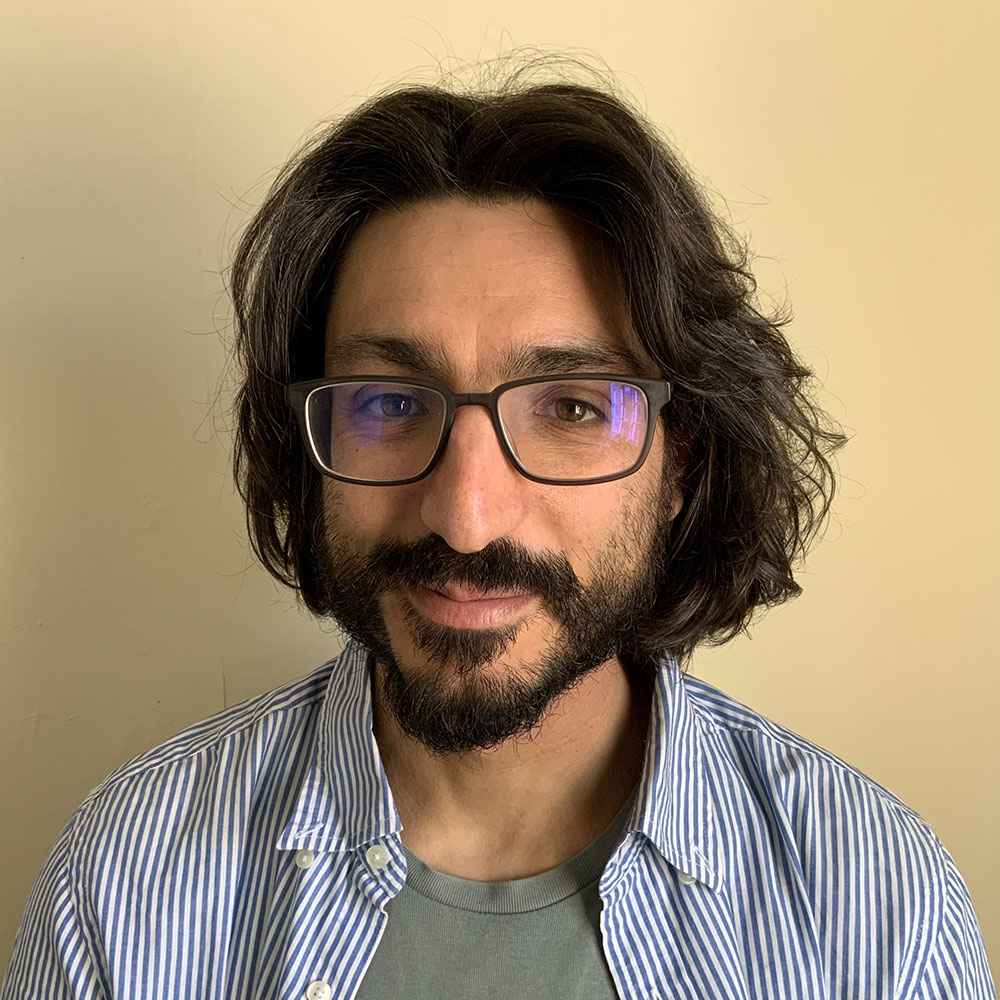
Prof. Carlo Ciliberto
Research Director
Prof. Carlo Ciliberto is Director of the Praxis Laboratory at the Italian Institute of Artificial Intelligence for Industry (AI4I) in Turin, Italy. Carlo is also Associate Professor in Machine Learning in the Department of Computer Science at University College London, where he also serves as Deputy Director of the UCL AI Centre. He is Chief AI Officer at Century Tech and a member of Neomatrix Biotech’s Board of Directors. His research bridges statistical learning theory, artificial intelligence, robotics, computer vision, and interactive systems, with the goal of developing principled machine learning methods that exploit structure—whether arising from domain knowledge, data organization, or related tasks—to improve sample efficiency, generalization, and real-world performance. His research spans consistent structured prediction, conditional meta-learning, optimal transport methods, reinforcement learning, kernel methods, and learning algorithms for robotic perception and interaction, and is motivated by a broader vision: building machine learning systems that are mathematically grounded, data-efficient, transferable, and reliable enough to support scientific, industrial, and societal applications. Prior to his current positions, he was a Lecturer at Imperial College London, a Research Associate at UCL, and a Postdoctoral Fellow at MIT’s Poggio Lab and the Istituto Italiano di Tecnologia. He received his PhD in Machine Learning and Robotics from Università di Genova and IIT, following Bachelor’s and Master’s degrees in Mathematics from Università Roma Tre, both awarded with highest honors. He is a member of the ELLIS network, has served as Area Chair for ICML and NeurIPS, and his work has been recognized with an Amazon Research Award and the Talented Italians in the UK Award.
AI4I / RDE / RIAS Lab
The Robust and Intelligent Autonomous Systems protects organizations from emerging threats as they deploy AI technologies at scale. Key focus areas include threat detection, vulnerability assessment, and developing defenses to prevent malicious exploitation
Name:
RIAS / Robust and Intelligent Autonomous Systems
Head:
Luca Laurenti
WEB page
Under construction
Contact:
luca.laurenti@ai4i.it
Luca Laurenti
Research Director
Luca Laurenti is an Assistant Professor at the Delft Center for Systems and Control at TU Delft and the head of the Research on Robust and Intelligent Autonomous Systems (RIAS) Lab within AI4I. He earned his PhD from the Department of Computer Science at the University of Oxford, where he was a member of Trinity College. His research lies at the intersection of stochastic systems, control theory, formal methods, and artificial intelligence. He focuses on developing data-driven autonomous systems that are provably safe, robust, and reliable when operating in dynamic, uncertain, and potentially adversarial environments. By combining techniques from machine learning, probabilistic modeling, formal verification, and control, his work aims to provide rigorous guarantees on the performance and safety of intelligent systems interacting with the real world.
Simone Betteti
Bio: Simone Betteti is a researcher in machine learning, holding a Ph.D. in Information Engineering from the University of Padua (Automation Laboratory). His work focuses on the theoretical foundations of energy-based models, including recurrent neural networks and associative memory systems.
His research lies at the intersection of dynamical systems, probability, and mathematical analysis, with the aim of understanding the stability, robustness, and expressive capabilities of learning algorithms. By developing rigorous analytical frameworks, he contributes to bridging theory and practice, supporting the reliable integration of modern AI methods into industrial applications.
Giannis Delimpaltadakis
Giannis Delimpaltadakis is a Senior Research Scientist at the RIAS Lab, AI4I Institute, Turin, Italy. He obtained his diploma in Electrical and Computer Engineering, from NTUA, Athens, Greece, in 2018. He obtained his PhD Cum Laude, from TU Delft, in 2022. Giannis has previously held postdoctoral positions at TU Delft and TU Eindhoven. His current research interests are on control theory and its intersections with formal methods, optimization and information theory.
Michele Veronesi
Bio: Michele Veronesi is a PhD student dedicated to making artificial intelligence more transparent, reliable, and trustworthy. His research focuses on developing mathematically sound methods to ensure that AI explanations are stable and dependable under real-world conditions. He works to guarantee that the underlying reasoning of an AI system remains consistent and secure against unexpected errors or data changes.
Before pursuing his doctorate, Michele spent nearly three years in the tech industry working as a Generative AI and Machine Learning Engineer. This hands-on experience deploying complex models uniquely shapes his current work, driving him to bridge the gap between strict technical proofs and the practical, safe AI applications we interact with every day.
AI4I / RDE / SAI Lab
Under construction
Name:
SAI / Scalable Artificial Intelligence
Head:
Under construction
WEB page
Under construction
Contact:
Under construction
Under construction
_
AI4I / RDE / AIDU Unit
The AI Deployment Unit (AIDU), led by Dr. Stefano Cavallari, helps organizations turn AI opportunities into real-world impact.
Through a technology-neutral and independent approach, AIDU selects, adapts, and deploys the most suitable AI solutions for each context by leveraging capabilities from both internal R&D labs and technologies available on the market.
With expertise in AI engineering, data science, MLOps, system integration, and AI security, the unit supports the full deployment lifecycle across use cases spanning generative AI, machine learning, and optimization.
Name:
AIDU / AI Deployment Unit (Unit)
Head:
Stefano Cavallari
WEB page
Under construction
Contact:
stefano.cavallari@ai4i.it
The AI Deployment Unit (AIDU), led by Dr. Stefano Cavallari, turns AI research and solutions into real-world business impact. We connect business needs with the most appropriate AI technologies, helping organizations move from opportunity to deployment.
What distinguishes AIDU is its technology-neutral and independent approach. We combine capabilities from our R&D Labs, our network of providers, and the broader market to select, adapt, and deploy the most suitable models and tools for each client context.
Our mission is to unlock the value of AI for each context. We work across the full deployment lifecycle: identifying opportunities in business processes, designing solutions, integrating models into operational environments, strengthening applications against cyber risks, optimizing performance, and transferring capabilities to client teams.
AIDU brings together AI engineers and data scientists with expertise in modelling, MLOps, system integration, and AI security. This interdisciplinary approach shortens the path from prototype to production and ensures that AI systems are trustworthy, scalable, and operationally mature.
We support a wide range of use cases spanning both generative AI and more traditional machine learning and optimization. These include content generation, secure knowledge management, visual inspection, predictive maintenance, planning optimization—wherever AI can create strategic, industrial, and societal value.

Stefano Cavallari
Research Director
Dr. Stefano Cavallari is Head of AI Deployment Unit at the Italian Institute of Artificial Intelligence for Industry (AI4I) in Turin, Italy. Before joining AI4I, he gained extensive experience at QuantumBlack (AI by McKinsey), where he served as Manager and Principal Data Scientist, leading teams that supported digital transformations and delivered AI-enabled solutions across multiple industries, including Energy, Telco, Asset Management, and Banking. Stefano is passionate about projects that generate measurable business impact while improving operations or internal processes. His work has focused on areas such as AI for software development, digital twins, CapEx planning optimization, and predictive maintenance. Prior to McKinsey, Stefano worked as a Data Scientist at a startup consulting firm specialized in big data and machine learning, and previously as a researcher in Computational Neuroscience at the Italian Institute of Technology. He holds a PhD in Computational Neuroscience from the Italian Institute of Technology (Genoa) and a Master’s degree in Physics from Università Cattolica del Sacro Cuore (Brescia).
Michele Cocca
Michele Cocca is GenAi Engineer at the Italian Institute of Artificial Intelligence for Industry (AI4I) in Turin, Italy. Before joining AI4I, he gained extensive experience as a Researcher at SUPSI and as a Machine Learning Engineer at Nielsen, delivering AI-enabled solutions and robust big data pipelines across media broadcasting, financial compliance, and automotive sectors.
Michele is passionate about measuring and optimizing human-machine interaction applications. This focus has materialized in the development of advanced solutions such as Retrieval-Augmented Generation (RAG) architectures, recommendation engines, large-scale data clustering, and predictive root-cause analysis.
Prior to his recent roles, Michele worked as a Data Scientist for specialized firms focusing on big data and machine learning, and previously as a Research Scientist Intern at Amazon in Luxembourg. He holds a PhD from Politecnico di Torino, where his research focused on data-driven system design for electric mobility, and enriched his academic background as a Visiting Researcher at the Federal University of Minas Gerais in Brazil.