The recent incident involving OpenAI and Hugging Face represents an important warning for the scientific and technological community, confirming that AI security must progress in parallel with the capabilities of frontier AI models.
In this context, it is essential to strengthen both fundamental research aimed at understanding the behavior, limitations, and emerging risks and applied research on alignment, containment, monitoring, and the security of evaluation environments. Independent, rigorous, and reproducible assessments should become a structural component of frontier model development, supported by national research institutions that can provide independent expertise, shared methodologies, and trusted infrastructures for experimentation.
It is equally important to establish stable funding and targeted incentives for strategic initiatives supporting the sustainable development of trustworthy AI, including long-term research activities that may not produce results immediately transferable to the market. Anthropic’s call to consider a coordinated and verifiable slowdown in AI development reflects the need to give researchers, institutions, and society sufficient time to understand and address rapidly evolving risks. Such an approach should not be regarded as an obstacle to innovation, but rather as an investment in its robustness, security, and sustainability.
AI offers significant opportunities for science, industry, healthcare, and public services. However, increasingly autonomous and capable systems may also introduce new risks for infrastructure, organisations, and society. Preserving public trust and ensuring that these technologies remain aligned with the collective interest therefore require continuous cooperation among research institutions, industry, public authorities, and cybersecurity experts.
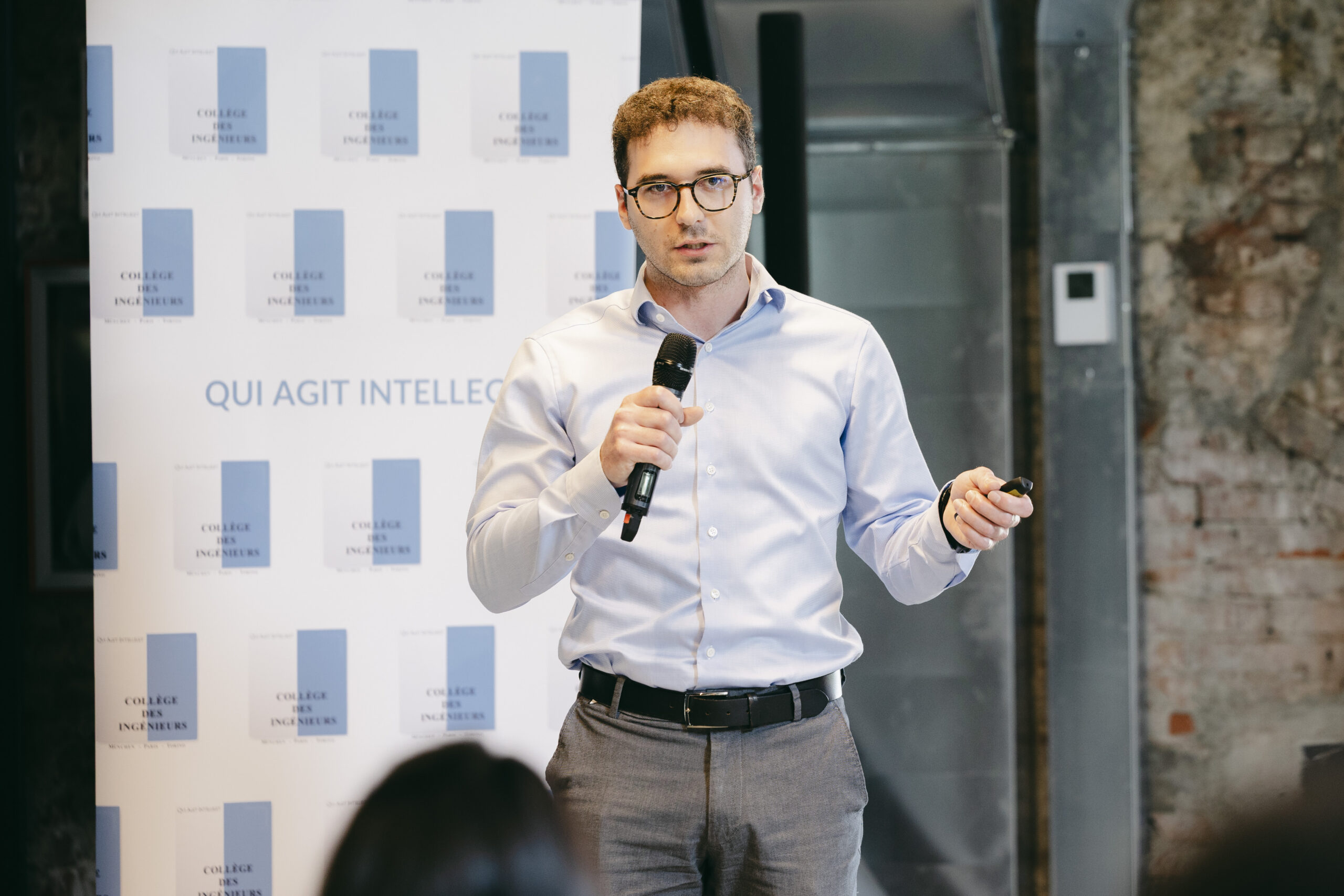
This was stated by Nicola Franco, Director of the AI Security Lab at the Italian Institute for Artificial Intelligence (AI4I).