
CSP-IAS WINTER SCHOOL
February 2-5, 2026
The Winter School on Cryptography and Machine Learning marks the conclusion of the first year of the CSP–IAS, the Institute for Advanced Study of AI4I established with the contribution of Fondazione Compagnia di San Paolo. Conceived as a flagship event, the school brings together an international audience of graduate students, postdoctoral researchers, early-career academics, and industry professionals to explore one of the most advanced frontiers of innovation: the intersection between cryptography and machine learning.
The program will feature both introductory and advanced lectures delivered by leading scholars, creating a space where participants can deepen their technical knowledge while engaging in interdisciplinary dialogue. Topics include adversarial vulnerabilities in machine learning models, integrity and verifiability of AI systems, cryptanalysis tailored to ML, watermarking and tracing AI-generated content, and the role of average-case hardness in secure ML constructions.
Programme Structure and Format
Join leading international experts to uncover how cryptography and machine learning intertwine, from watermarking and data integrity to adversarial attacks and cryptographic hardness in learning.
Each day blends lectures, keynotes, and panels, with plenty of space for networking, collaboration, and informal discussions. From Monday to Thursday lectures in the morning, keynotes and panels in the afternoon, plus an excursion midweek to unwind and connect.
By the end of the program, participants will have a clear understanding of the key challenges and tools in this interdisciplinary area, and be well-positioned to engage with current research and real-world applications in verifiable and secure machine learning.
Entry Requirements
This winter school is primarily intended for graduate students (Master’s and PhD), postdoctoral researchers, and early-career academics, though we also welcome other participants, including those from industry or with a general interest in the intersection of cryptography and machine learning.
Participants should have a solid foundation in undergraduate-level mathematics, particularly linear algebra, probability, and discrete mathematics. Prior experience in both cryptography and machine learning is not required, but familiarity with at least one of the two areas is helpful to get the most out of the school.
Teaching faculty
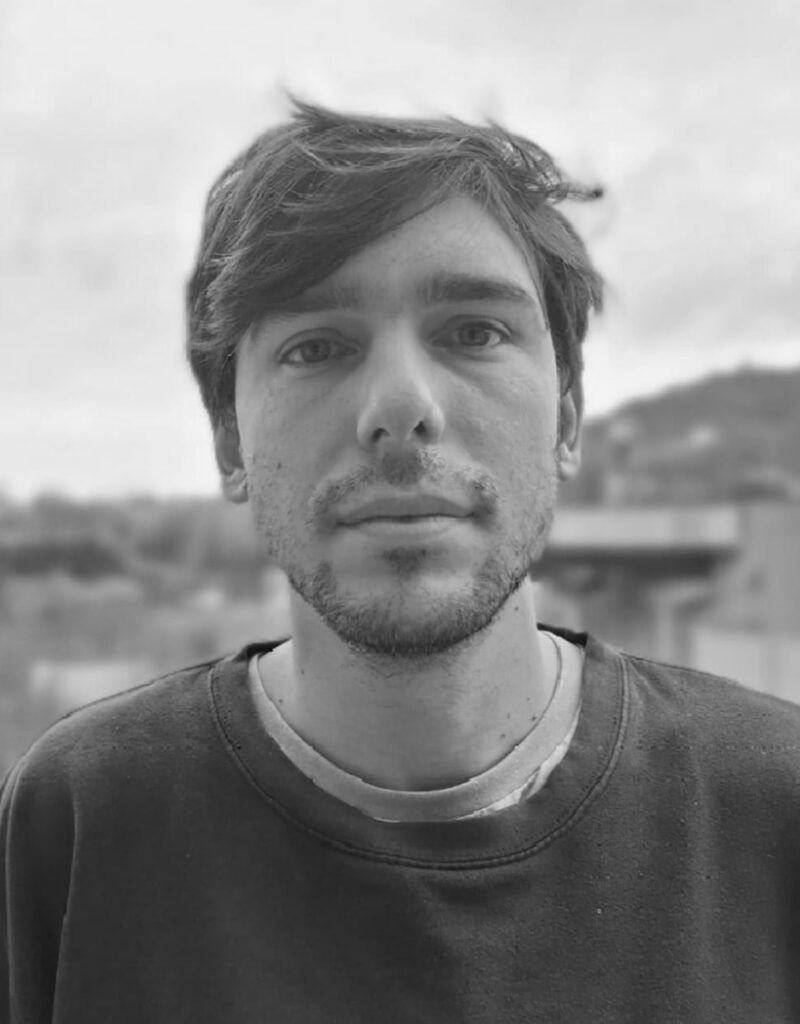
Luca Biggio is an Assistant Professor in the Department of Computing Sciences at Bocconi University. His research focuses on understanding the inner workings of neural networks, identifying their limitations, and enhancing their efficiency. He is also interested in interdisciplinary applications of deep learning across various fields of science and engineering. He hold a PhD from ETH Zurich and completed his postdoctoral research at EPFL. Before that, he earned a Master’s degree in Machine Learning from the University of Cambridge and a Master’s degree in Physics from the University of Genoa.
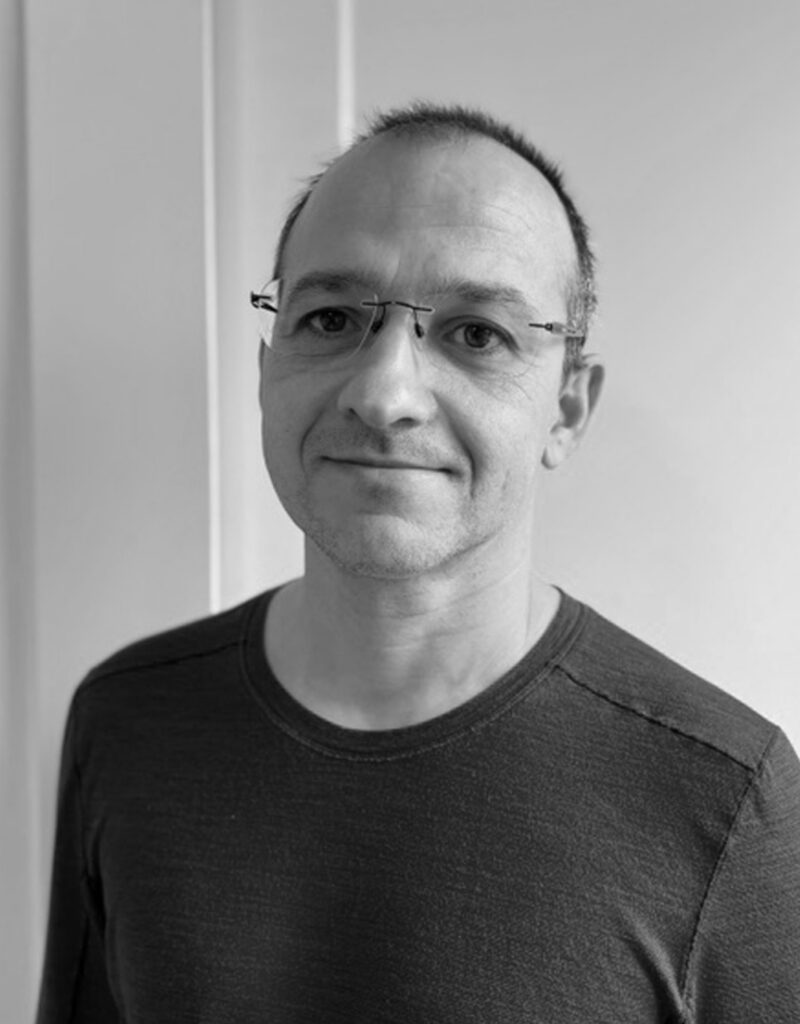
Andrej Bogdanov is a professor at the University of Ottawa. He moved there from the Chinese University of Hong Kong in 2023.
Previously he was a postdoc at ITCS (now IIIS, Tsinghua), DIMACS (Rutgers), and IAS. He obtained his B.S. and M.Eng. degrees from the MIT and his Ph.D. from UC Berkeley. He spent some time as a Visiting Professor at the Tokyo Institute of Technology in 2013 and at the Simons Institute for the Theory of Computing in 2017 and 2021. His research interests are in the foundations of cryptography, pseudorandomness, average-case complexity, and sublinear-time algorithms.
Previously he was a postdoc at ITCS (now IIIS, Tsinghua), DIMACS (Rutgers), and IAS. He obtained his B.S. and M.Eng. degrees from the MIT and his Ph.D. from UC Berkeley. He spent some time as a Visiting Professor at the Tokyo Institute of Technology in 2013 and at the Simons Institute for the Theory of Computing in 2017 and 2021. His research interests are in the foundations of cryptography, pseudorandomness, average-case complexity, and sublinear-time algorithms.
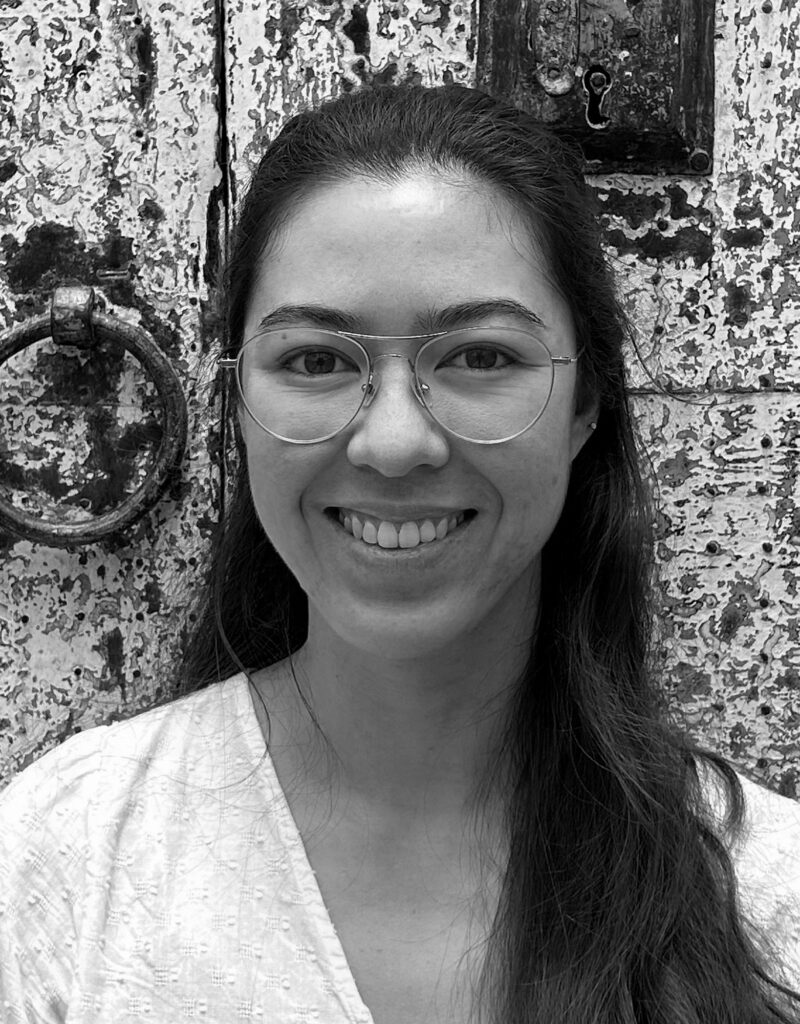
Miranda Christ is a final-year computer science PhD student at Columbia University, advised by Tal Malkin and Mihalis Yannakakis. She is a member of the Theory Group and the Crypto Lab. Her research is on theoretical cryptography, and recently has focused on the intersection of cryptography and machine learning.

Dario Fiore is an Associate Research Professor at the IMDEA Software Institute in Madrid. Prior to joining IMDEA in 2013, he obtained a PhD in computer science from University of Catania and then was a postdoc at ENS Paris, NYU, and the Max Planck Institute for Software Systems. His research interests are on theoretical and practical aspects of Cryptography and its applications to Security and Privacy. His current research revolves around succinct proofs systems (including functional and vector commitments), homomorphic authentication, verifiable computation, zero-knowledge proofs, and computation on encrypted data.
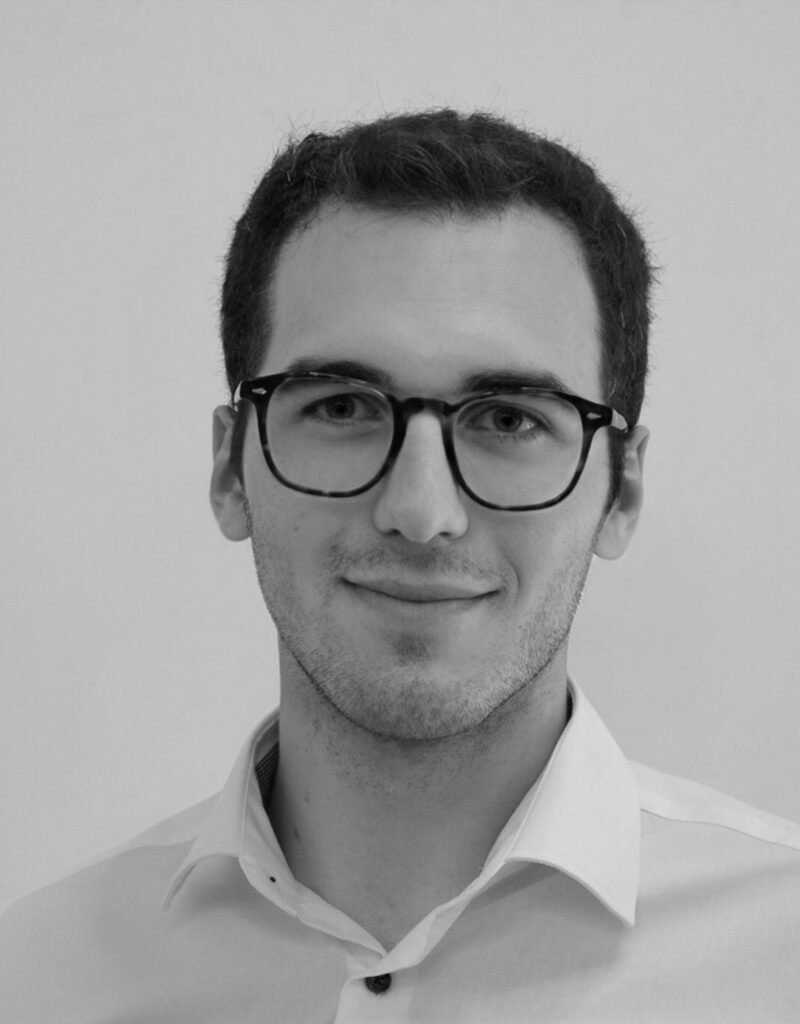
Nicola Franco directs the AI Security R&D Lab at the Italian Institute of Artificial Intelligence (AI4I). He holds a Ph.D. in Machine Learning, awarded cum laude, from the Technical University of Munich. His research focuses on improving the security and reliability of AI agents through adversarial robustness and formal verification. He also investigates how quantum computing can introduce new risks while unlocking potential applications for advanced problem-solving. He has collaborated extensively with industry partners and agencies. His contributions earned him the Best Paper Award in AI Safety at the 2023 IJCAI conference.
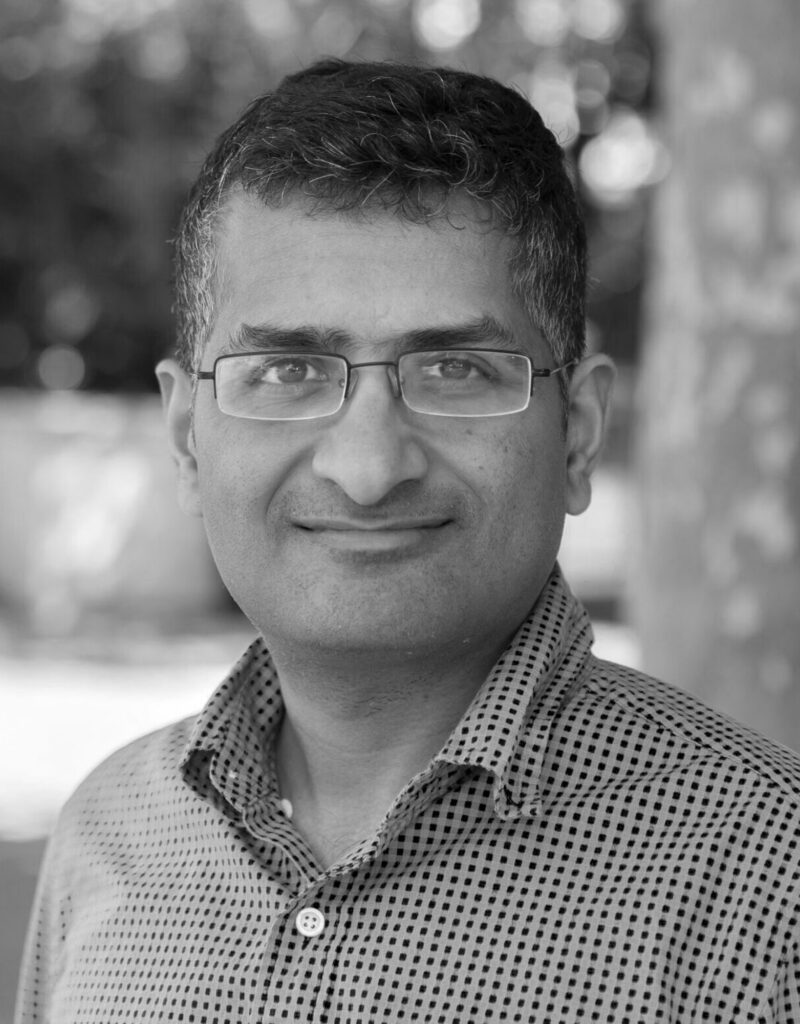
Prof. Sanjam Garg is an Associate Professor at the University of California, Berkeley. His research interests are in cryptography and its applications to security and privacy. He obtained his Ph.D. from the University of California, Los Angeles in 2013 and his undergraduate degree from the Indian Institute of Technology, Delhi in 2008. Prof. Garg is the recipient of various honors such as the ACM Doctoral Dissertation Award, the Sloan Research Fellowship and the IIT Delhi Graduates of the Last Decade Award. Prof. Garg's research has been recognized with a test of time award at FOCS 2023, and best paper awards at EUROCRYPT 2013, CRYPTO 2017 and EUROCRYPT 2018. Past students and postdoctoral researchers from Prof. Garg's research group are now faculty/researchers at top institutions, such as Columbia University, Brown University, the University of Toronto, Microsoft Research, etc.
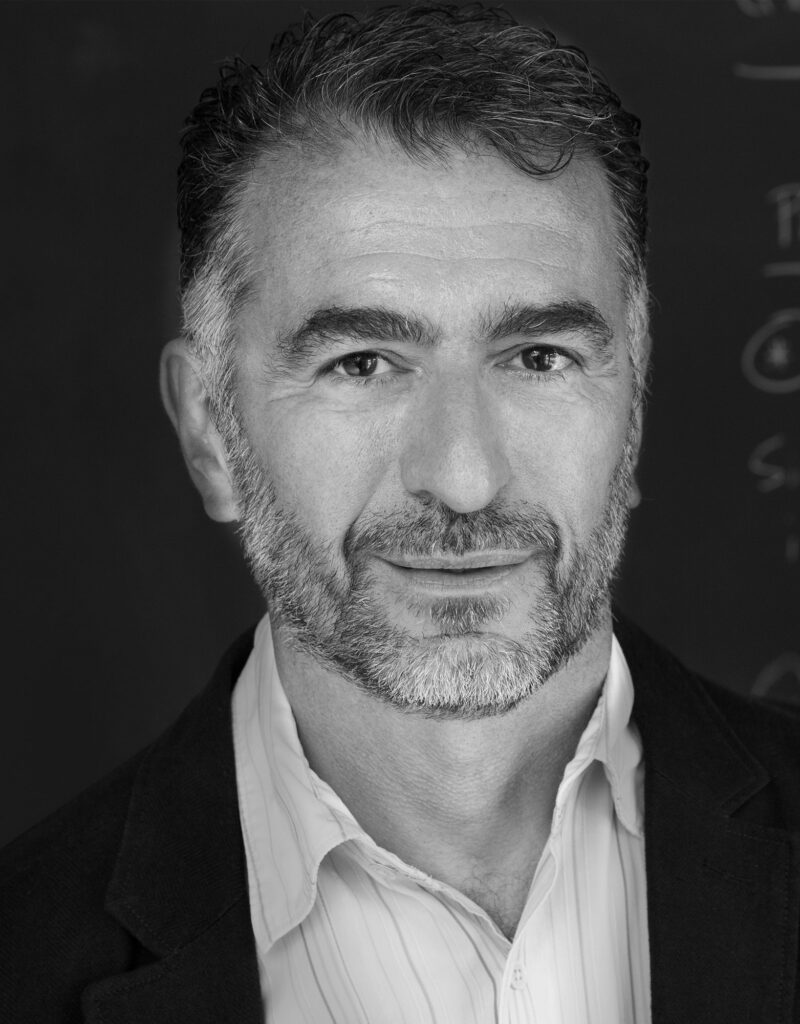
Rosario Gennaro is a Distinguished Professor of Computer Science, and the Director of the Center for Algorithm and Interactive Scientific Software (CAISS) at The City College of New York, which he joined in 2012, after completing his Ph.D. at MIT in 1996, and spending 15 years as a Research Staff Member at the IBM T.J.Watson Research Center. In his 30+ years career as a researcher in Cryptography and Network Security, Gennaro has published more than 90 papers in top venues focusing on work that builds solid theoretical foundations to provide provable security and real-life efficient cryptographic solutions to practical security problems.
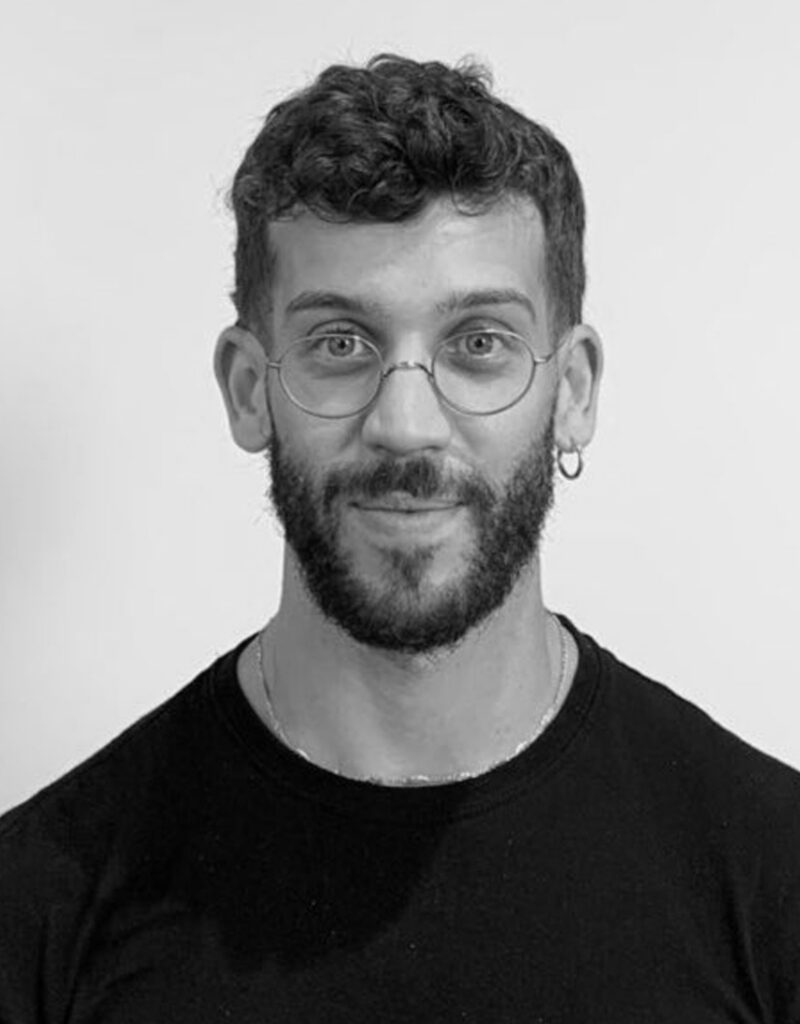
Tal is a Simons-Berkeley postdoctoral researcher hosted by Prof. Shafi Goldwasser, currently at MIT. Tal obtained his PhD from the Weizmann Institute where he was advised by Prof. Guy Rothblum. His research revolves around tools for testing and verifying properties of data and data-intensive computations.
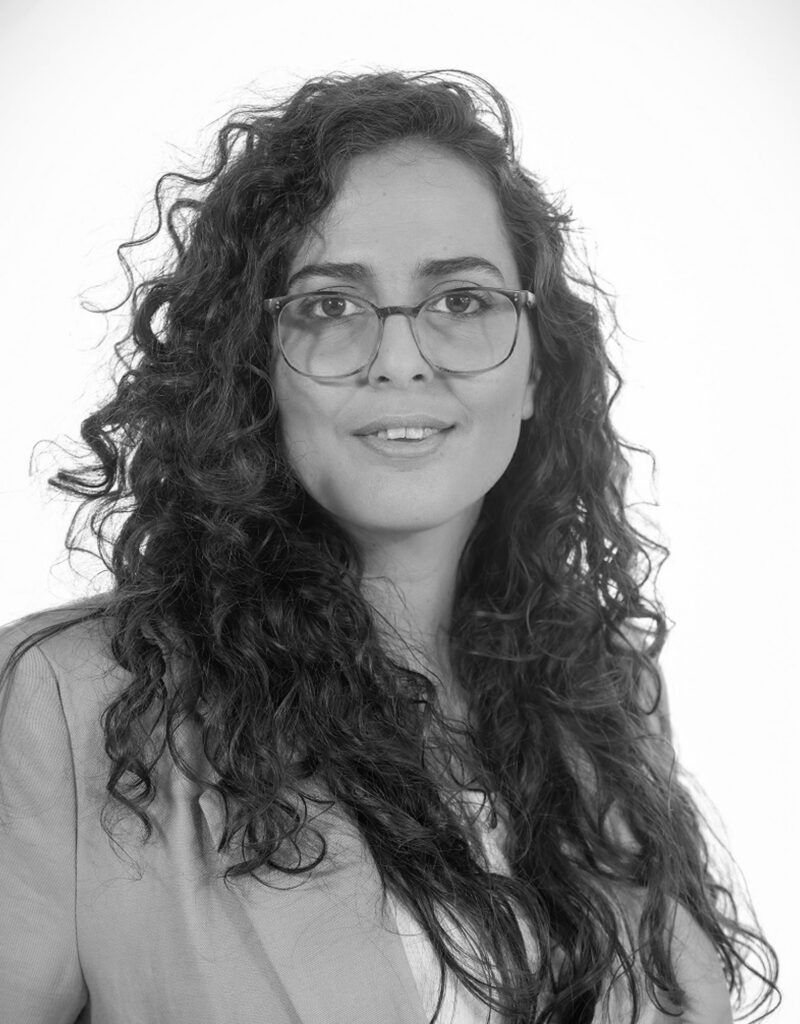
Odelia Melamed is a PhD student advised by Professor Adi Shamir at the department of Applied Mathematics and Computer Science, Weizmann Institute of Science, Israel. Her research interests include Security aspects of Machine Learning, Adversarial Examples, Machine Unlearning and Theoretical Machine Learning.
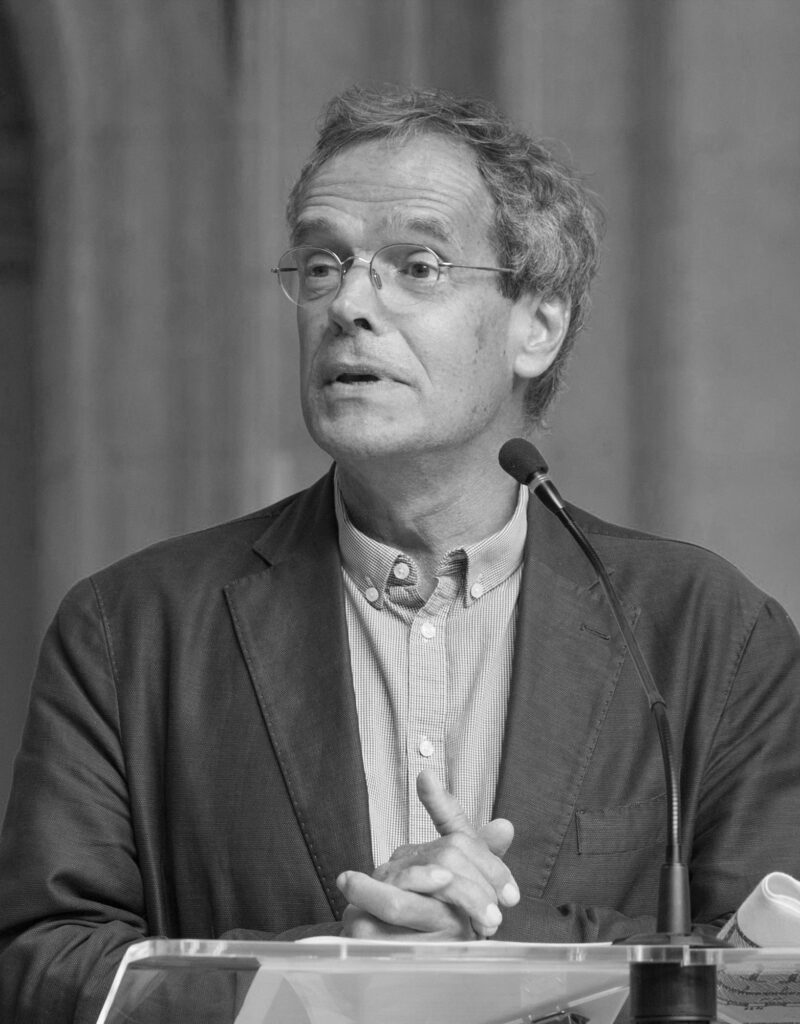
The main field of research of Marc Mézard’s is the statistical physics of disordered physical systems, like spin glasses, structural glasses, random manifolds and polymers, and its use in various other branches of science – biology, economics and finance, information theory, computer science, statistics, signal processing. In recent years his research has focused on information processing, learning and generation in neural networks.
Mézard has held CNRS positions at Ecole normale supérieure (ENS) and at Université Paris Sud,and was director of ENS from 2012 to 2022. He is presently Professor at Bocconi University. He has received a number of prizes, among which the Lars Onsager prize from the American Physical Society, the Ampère prize of the French Academy of Sciences and the Humboldt Gay-Lussac prize. He is a member of the Academia dei Lincei, of the Académie des Sciences and of the European Academy of Science.

Shay Moran is an Associate Professor at the Technion, with appointments in the Departments of Mathematics, Computer Science, and Data and Decision Sciences. His research lies at the intersection of machine learning, mathematics, and theoretical computer science, with a focus on generalization, differential privacy, and the foundations of learning theory. His work has uncovered connections between learning theory and areas such as combinatorics, topology, set theory, and game theory. His papers have appeared in venues including COLT, NeurIPS, ICML, STOC, FOCS, JACM, and Nature Machine Intelligence, and have received multiple awards, including Best Paper Awards at FOCS 2020 and COLT 2020 and Best Paper Runner-Up Awards at COLT 2021 and NeurIPS 2025. He is a recipient of an ERC Starting Grant.
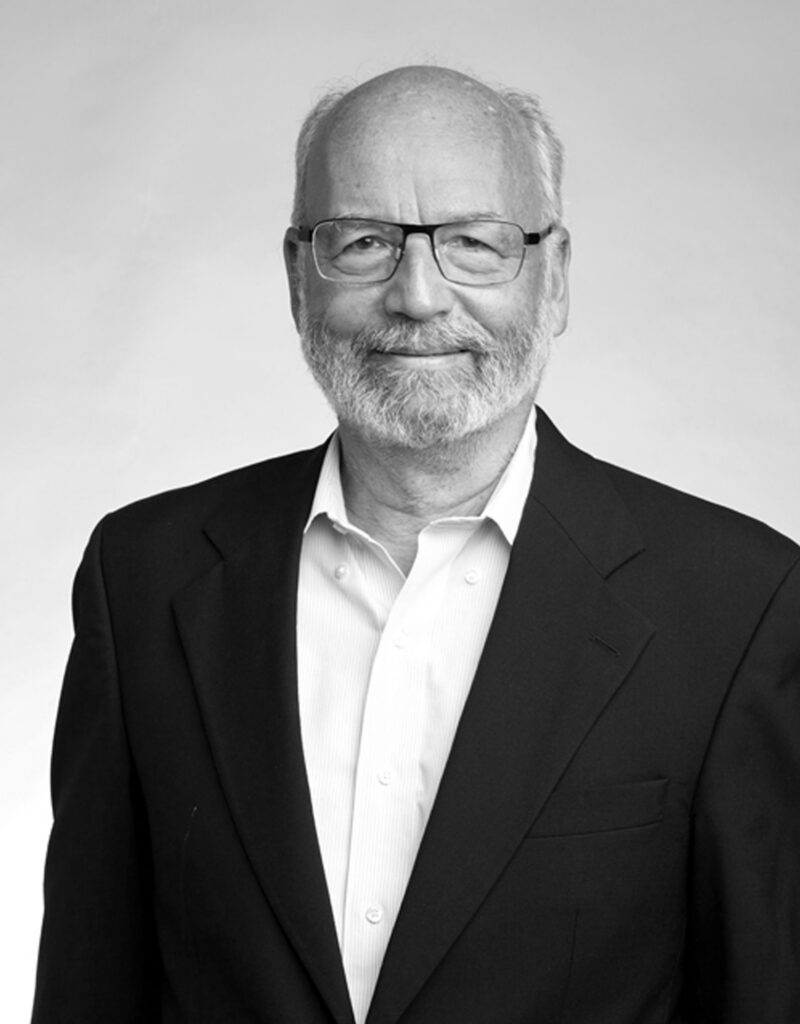
Professor Adi Shamir is the Paul and Marlene Borman Professorial Chair of Applied Mathematics at Weizmann Institute of Science. He has propelled the field of cryptography to new heights, the most iconic being his work with Ron Rivest and Leonard Adleman in creating the RSA public-key cryptography algorithm for securing online communication and information exchange. He is also a co-inventor of the Feige–Fiat–Shamir identification scheme that uses zero-knowledge proof for identity authentication.
In recognition of his contributions to cryptography, Prof Shamir is a recipient of the 1996 Paris Kanellakis Theory and Practice Award, the 2002 Turing Award, the 2008 Israel Prize for computer sciences and the 2017 Japan Prize. He is a member of several scientific academies, including the US National Academy of Science, the Royal Society (London), the French Academy of Science and the Israeli Academy of Science.
In recognition of his contributions to cryptography, Prof Shamir is a recipient of the 1996 Paris Kanellakis Theory and Practice Award, the 2002 Turing Award, the 2008 Israel Prize for computer sciences and the 2017 Japan Prize. He is a member of several scientific academies, including the US National Academy of Science, the Royal Society (London), the French Academy of Science and the Israeli Academy of Science.
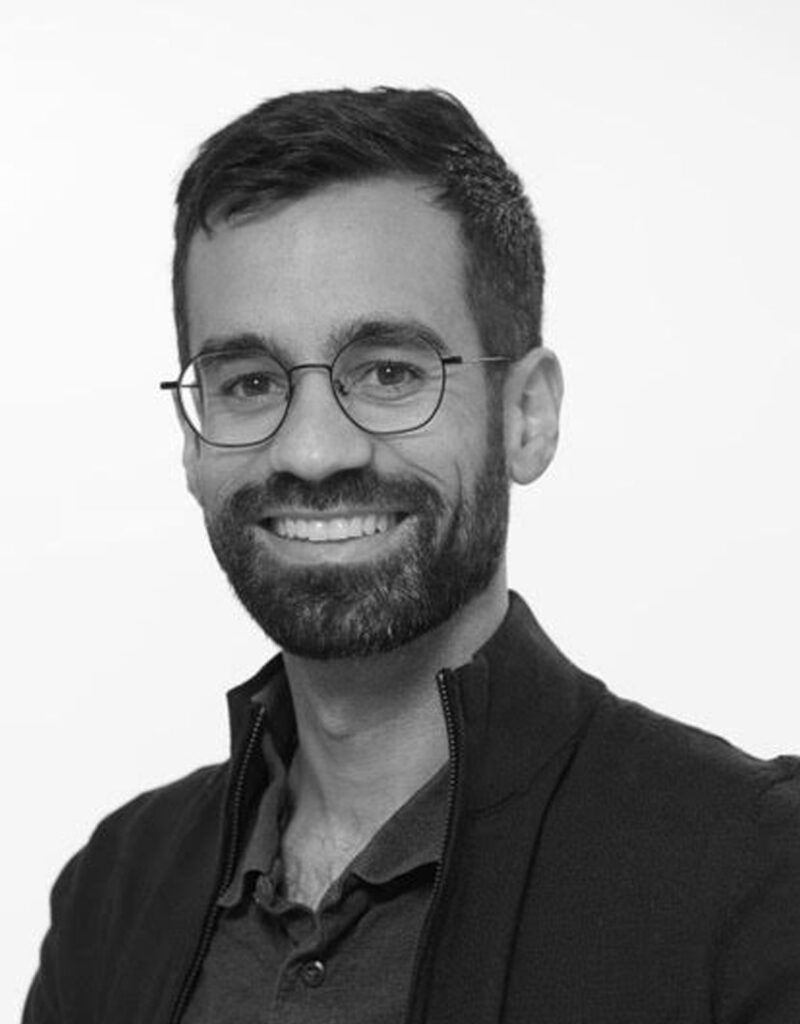
Mahmood Sharif is a senior lecturer at the Blavatnik School of Computer Science at Tel Aviv University, where he directs the privacy, learning, usability, and security (PLUS) group---a research group primarily working at the intersections of computer security and privacy with machine learning, specifically adversarial machine learning, and with human factors. Mahmood obtained his Ph.D. from Carnegie Mellon University, where he was affiliated with the CyLab Security and Privacy Institute. Before joining Tel Aviv University, Mahmood was a postdoctoral researcher in the VMware Research Group and a principal research engineer in the NortonLifeLock Research Group. His awards include an Intel Rising Star Faculty award and a Maof prize for outstanding new faculty.
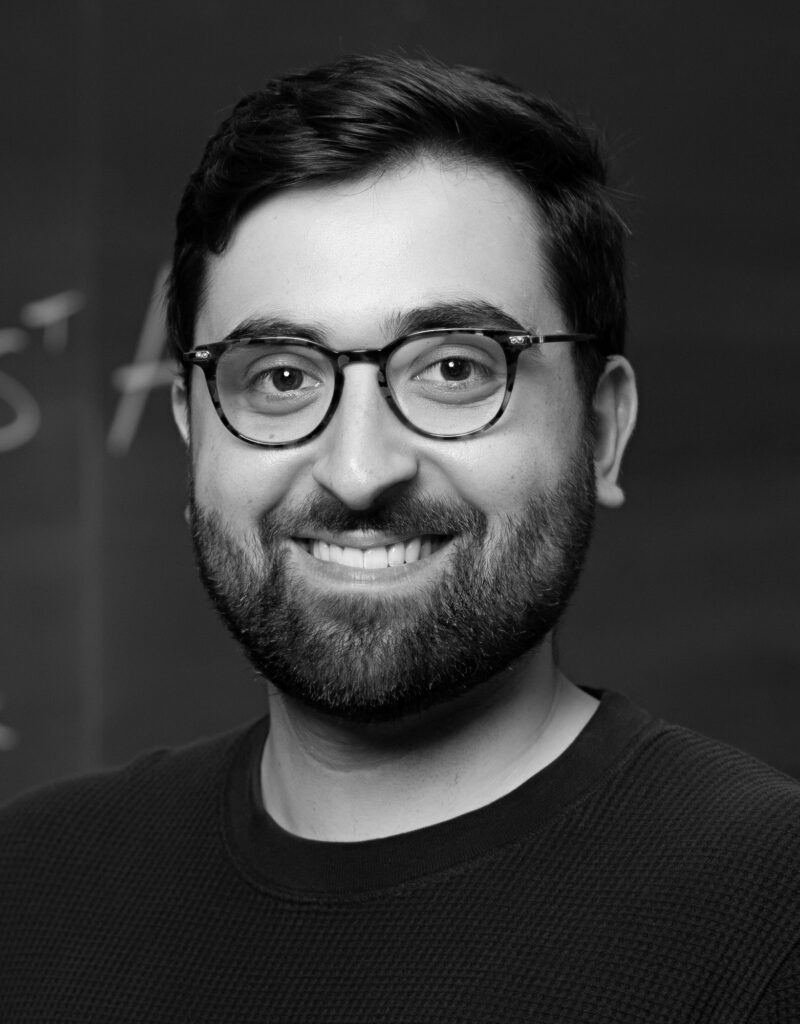
Neekon Vafa is a final-year PhD student at MIT advised by Vinod Vaikuntanathan. His research interests are in theoretical computer science, particularly cryptography and its connections to statistics and trustworthy machine learning. Before MIT, he worked full-time at Google (YouTube). Prior to that, he received a BA in mathematics from Harvard University. He has held internships in industry at NTT Research, Jane Street, and Facebook.

Vinod Vaikuntanathan is the Ford Foundation Professor of Engineering in the EECS department at MIT, a principal investigator at MIT CSAIL, and the chief cryptographer at Duality Technologies. He earned his BTech degree from the Indian Institute of Technology Madras in 2003, and his SM and PhD degrees from MIT in 2005 and 2009, respectively. After a postdoctoral stint at IBM Research, a year as a researcher at Microsoft, and two years as a faculty member at the University of Toronto, Vinod joined the faculty of MIT EECS in September 2013. Vinod's research is on the foundations of cryptography and its applications to theoretical computer science at large. He is known for his work on fully homomorphic encryption (a powerful cryptographic primitive that enables complex computations on encrypted data), as well as lattice-based cryptography (which lays down a new mathematical foundation for cryptography in the post-quantum world). Recently, he has been interested in the interactions of cryptography with quantum computing, as well as with statistics and machine learning.
Vinod's work has been recognized with the Harold E. Edgerton Faculty Award (2018), the Godel Prize (2022), the Simons Investigator Award (2023), the Distinguished Alumnus Award from IIT Madras (2024), a Best Paper Award from CRYPTO 2024, and test of time awards from IEEE FOCS and CRYPTO conferences. He was also named a MacVicar Faculty Fellow in 2024 for exceptional teaching and mentoring.

Daniele Venturi is Full Professor at the Computer Science Department of Sapienza University of Rome, Italy. His research focus is on theoretical and applied cryptography.
Prior to joining Sapienza University he was an Assistant Professor in the Department of Information Engineering and Computer Science (DISI) at University of Trento, Italy, and a Postdoctoral Fellowship at Sapienza University and Aarhus University, under the guidance of Giuseppe Ateniese, Ivan Damgård and Jesper Buus Nielsen. During his PhD, he visited CWI in Amsterdam, hosted by Ronald Cramer and worked under the guidance of Krzysztof Piertzak.
Prior to joining Sapienza University he was an Assistant Professor in the Department of Information Engineering and Computer Science (DISI) at University of Trento, Italy, and a Postdoctoral Fellowship at Sapienza University and Aarhus University, under the guidance of Giuseppe Ateniese, Ivan Damgård and Jesper Buus Nielsen. During his PhD, he visited CWI in Amsterdam, hosted by Ronald Cramer and worked under the guidance of Krzysztof Piertzak.
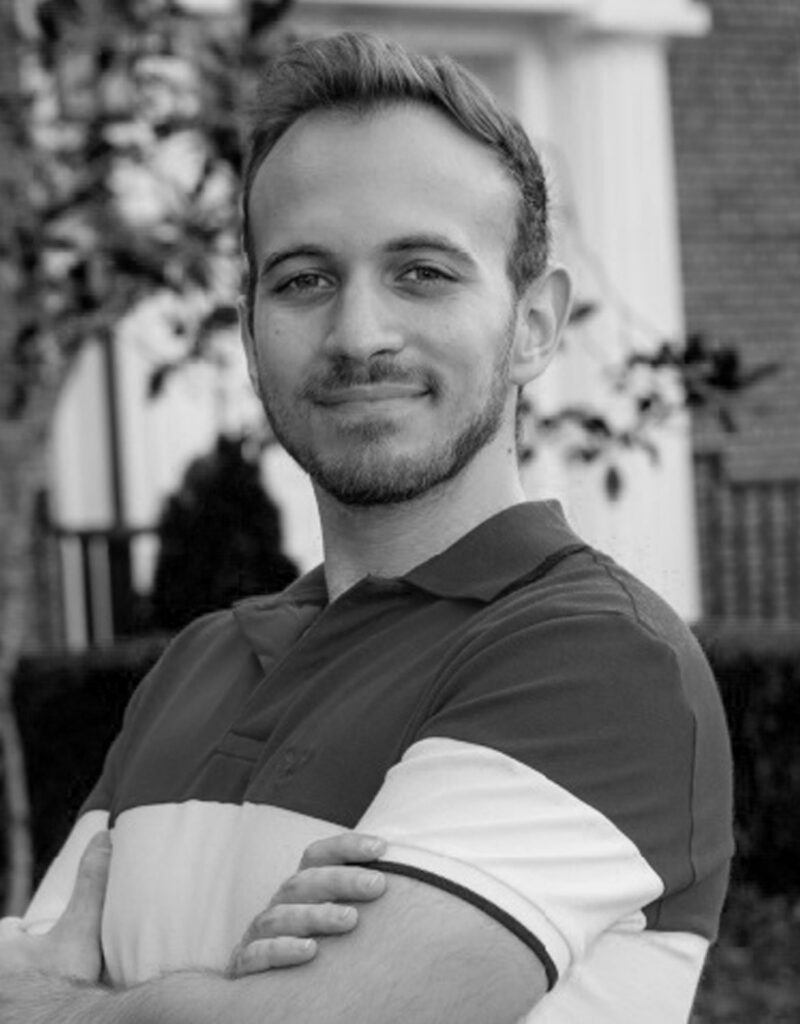
Or Zamir is an Assistant Professor (Senior Lecturer) in the Blavatnik School of Computer Science at Tel Aviv University. His research focuses on algorithms, data structures, combinatorics, and cryptography, with connections to machine learning security and safety. Before joining Tel Aviv University, he was an Associate Research Scholar in Computer Science at Princeton University and a member of the School of Mathematics at the Institute for Advanced Study.
The School is organized under the scientific direction of
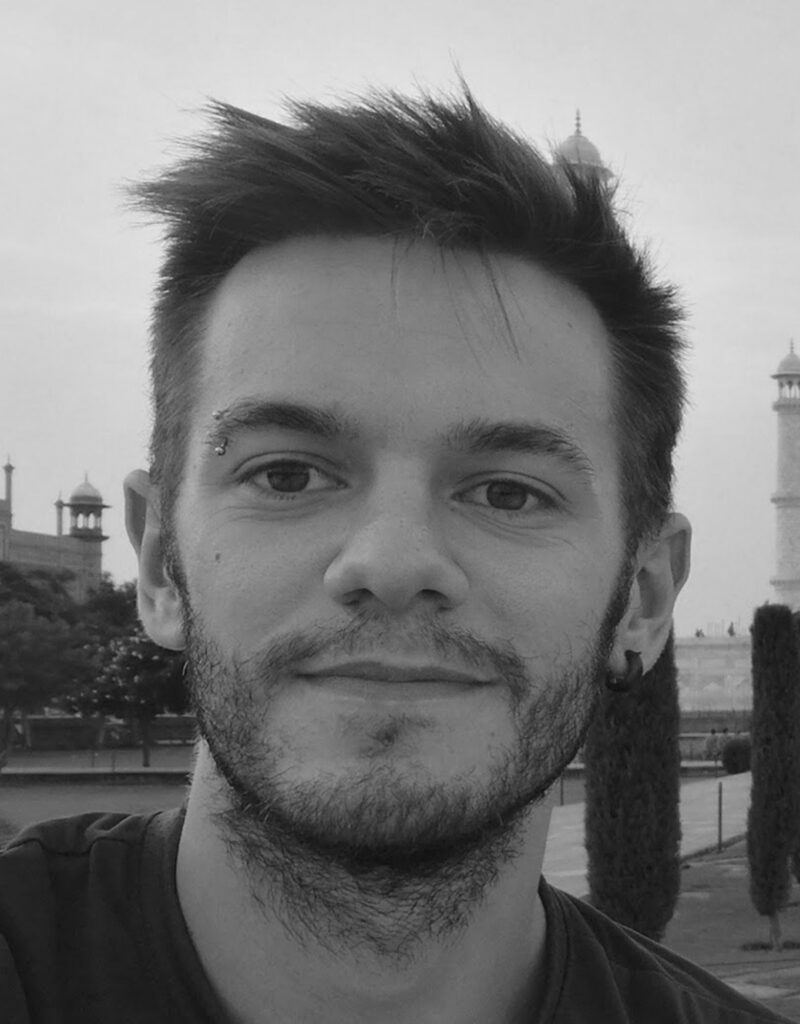
Valerio Cini is a Marie Skłodowska-Curie Postdoctoral Fellow at Bocconi University.
Prior to that, he was a postdoctoral researcher, again at Bocconi, in Giulio Malavolta's group. Before that, he spent a year at NTT Research working with Hoeteck Wee.
He completed my Ph.D. in Computer Science at TU Wien (with a parallel research appointment at AIT) in 2024, under the supervision of Daniel Slamanig and Matteo Maffei, focusing on lattice-based cryptographic constructions.
He completed my Ph.D. in Computer Science at TU Wien (with a parallel research appointment at AIT) in 2024, under the supervision of Daniel Slamanig and Matteo Maffei, focusing on lattice-based cryptographic constructions.
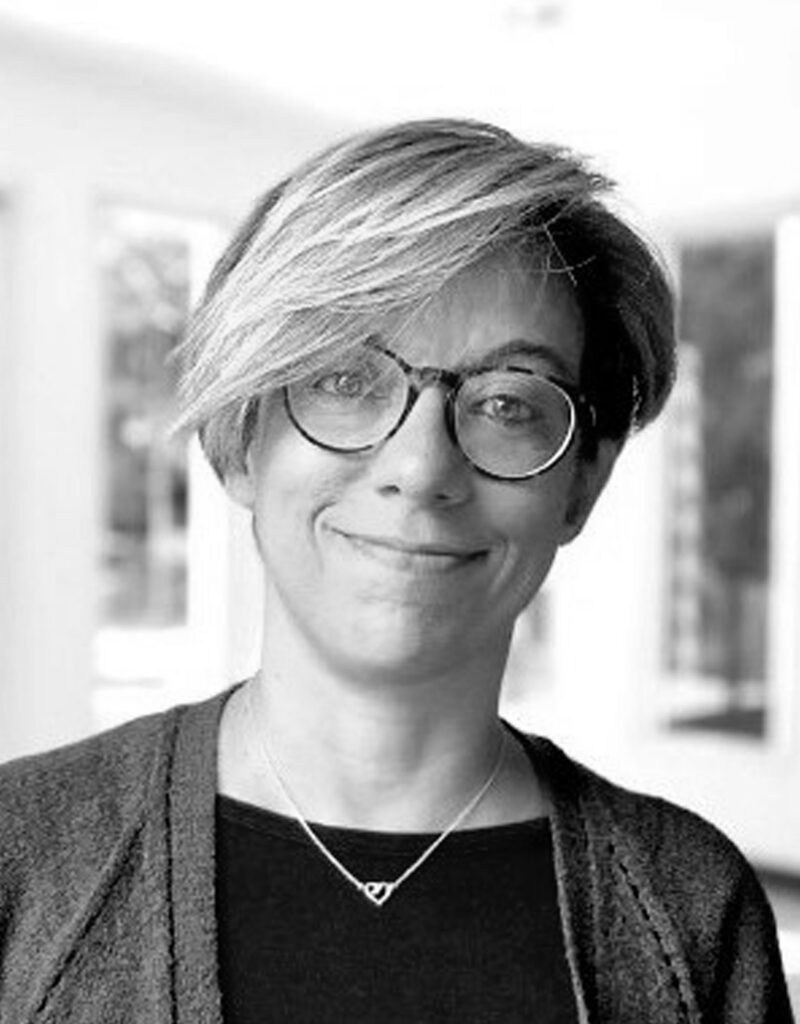
Emmanuela Orsini is Tenure-Track Assistant Professor in the Department of Computing Sciences at Bocconi University. Before that, she was a Research Expert in the Computer Security and Industrial Cryptography (COSIC) research group at KU Leuven, Belgium, and a Senior Research Associate in the Cryptography group University of Bristol, UK. She received my PhD in Mathematics and Statistics from University of Milano, and her master's degree in Mathematics from the University of Pisa.
Her research interests include theoretical and practical aspects of secure computation, practical zero-knowledge constructions, fully homomorphic encryption, post-quantum cryptography, algebraic coding theory and computational algebra.
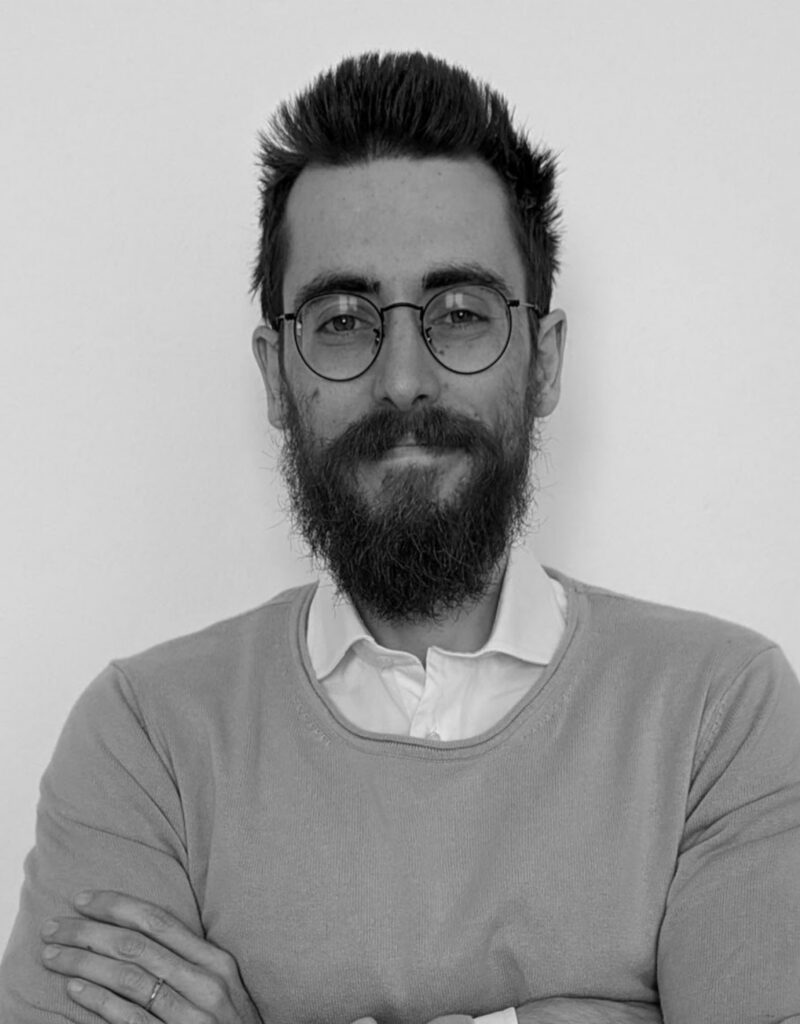
Giulio Malavolta is Assistant Professor in the Department of Computing Sciences at Bocconi University. He is also affiliated with the Bocconi Institute for Data Science and Analytics and with the CIFRA Lab. His research focuses on mathematical aspects of cryptography, computer security, and quantum computing.
Prior to joining Bocconi, he was a tenure-track faculty at the Max Planck Institute for Security and Privacy, and before that a postdoc at UC Berkeley and at Carnegie Mellon University. In fall 2019 he spent a semester as a research fellow at the Simons Institute for the Theory of Computing. He completed his PhD in 2019 at Friedrich-Alexander University, where his thesis was recognized with the Staedtler-Stiftung dissertation prize.
For his research, he was awarded an ERC starting grant and the Heinz-Maier Leibnitz prize.
Prior to joining Bocconi, he was a tenure-track faculty at the Max Planck Institute for Security and Privacy, and before that a postdoc at UC Berkeley and at Carnegie Mellon University. In fall 2019 he spent a semester as a research fellow at the Simons Institute for the Theory of Computing. He completed his PhD in 2019 at Friedrich-Alexander University, where his thesis was recognized with the Staedtler-Stiftung dissertation prize.
For his research, he was awarded an ERC starting grant and the Heinz-Maier Leibnitz prize.

Alon Rosen is a professor in the Department of Computing Sciences at Bocconi University. His Ph.D. is from the Weizmann Institute of Science. He spent two years as a postdoc in the Cryptography Group of MIT's Computer Science and AI Lab, two years as a postdoc in the Center for Research on Computation and Society at Harvard's department of Electrical Engineering and Computer Science and fourteen years at Reichman University.
His main fields of interest are Cryptography and Computational Complexity. He is the founder of the FACT center and of the CIFRA institute.
His main fields of interest are Cryptography and Computational Complexity. He is the founder of the FACT center and of the CIFRA institute.

Tamer Mour obtained his PhD from the Weizmann Institute and is currently a postdoctoral researcher at Bocconi University. His research revolves around cryptography and adjacent areas, with recent focus on developing practical tools for secure ML computation.
REGISTRATION
Closed
Financial Support for Non-Resident Students
We are offering up to 20 students living outside Turin a financial support of up to €500 each to help cover travel and accommodation costs for attending the Winter School. The 20 selected students will be chosen by the Scientific Committee organizing the Winter School, based on their motivation and alignment with the event’s themes, the clarity and originality of their motivation letter.
The goal is to make participation more accessible to applicants who demonstrate strong motivation, curiosity, and alignment with the themes of the program.
Eligibility Requirements
-
You must not reside in Turin (mandatory proof required).
-
You must attend the entire Winter School.
-
Financial support will be reimbursed after participation, upon receipt of valid documentation.
If you wish to apply for financial support, please send an email to ias@ai4i.it with the object: “WINTER SCHOOL 2026 – APPLICATION FOR FINANCIAL SUPPORT – Your Name”, attaching a proof of residence outside Turin (e.g. rental contract or equivalent document), your CV and a motivation letter in PDF. In your motivation letter, please explain why you would like to participate in the Winter School and how it relates to your current studies, research, or professional path.
The financial support will be provided to selected participants after the event, upon submission of travel and accommodation receipts. Selected applicants will be notified before the start of the Winter School, after January 19th, once applications have closed. Reimbursements will be issued only to those who attend the entire Winter School.
FAQ & Contacts
Here’s everything you need to know before joining us in Turin!
From how to get to the venue to where to stay, this page gathers all the practical information to make your Winter School experience as smooth as possible. Something is missing? write to us at ias@ai4i.it !
Where will the Winter School take place?
The Winter School will be held at OGR Torino (Officine Grandi Riparazioni), Corso Castelfidardo 22, Turin, Italy — just a 15-minute walk from the city center.
From the airport (Turin Caselle – TRN): take the train or bus shuttle to Porta Susa or Porta Nuova station. A taxi or ride-sharing service takes about 30 minutes to OGR. From the train stations:
- From Porta Susa: about 10 minutes on foot or 5 minutes by metro (Marconi stop).
- From Porta Nuova: around 15 minutes on foot or 5 minutes by metro (Vinzaglio stop). Nearest metro stop: Vinzaglio. You can check real-time routes on the GTT website.
Are accommodation options provided?
Accommodation is not directly provided by the organizers. However, OGR is centrally located and well connected by public transport, with many affordable hotels, hostels, and short-term rentals nearby. For your convenience, we also suggest the following partner options:
Combo
Guests can receive a 10% discount by entering the voucher code AI4I26 on Combo’s website at the time of booking.
The discount is valid for stays from 29/01/2026 to 08/02/2026.
Best Quality Hotel Politecnico
Participants can access special discounted rates by contacting the hotel directly and identifying themselves as part of the event using the code “AI4I”. Rates are valid for stays from 01/02/2026 to 05/02/2026, subject to availability at the time of booking.
Room options: DUS €85/night, Double or Twin €100/night (twin beds available upon request), Triple €115/night, Quadruple €135/night.
Included: buffet breakfast, Wi-Fi, and access to the gym.
Not included: city tax (€3.70 per person per night) and video-surveilled parking (€12/night).
A credit card is required to guarantee the booking (a pre-authorization may be performed). Cancellation is free until 24:00 on the day before arrival; after that time, the first night will be charged. Conditions may vary for multiple-room bookings.
Is there financial support available for attending the Winter School?
Yes. We offer financial support to up to 20 participants living outside Turin, covering up to €500 in travel and accommodation expenses.
To apply, you must send an email to ias@ai4i.it with the subject line:
“WINTER SCHOOL 2026 – APPLICATION FOR REIMBURSEMENT – Your Name”, attaching:
“WINTER SCHOOL 2026 – APPLICATION FOR REIMBURSEMENT – Your Name”, attaching:
-
Proof of residence outside Turin (e.g., rental contract or equivalent document), and
-
A motivation letter (PDF) explaining why you want to participate and how the Winter School relates to your studies, research, or professional path.
Applications will be evaluated by the Scientific Committee based on motivation and alignment with the Winter School themes, clarity and originality of the motivation letter.
Selected applicants will be notified before the start of the Winter School, on January 20th, after applications have closed.
Financial support will be provided after the event, upon submission of travel and accommodation receipts, and only to participants who attend the entire Winter School.
Who can apply to attend the Winter School?
The school is open to Master’s and PhD students, postdoctoral researchers, and early-career academics. Participants from industry with an interest in the intersection of machine learning and cryptography are also welcome.
What background knowledge is required?
Participants should have a good understanding of undergraduate-level mathematics (linear algebra, probability, discrete math). Prior experience in both cryptography and machine learning is not required, but familiarity with one of the two areas is helpful.
What will I learn during the Winter School?
You will gain an in-depth understanding of how cryptography and machine learning intersect, exploring topics such as backdoors in ML models, adversarial machine learning, model integrity and verifiability, watermarking, and cryptographic hardness assumptions in ML.
When will it take place?
The Winter School will take place on February 2–5, 2026.
Will I receive a certificate of attendance?
Yes. All participants will receive an official certificate of attendance.
Who can I contact for more information?
For any questions about registration, travel, or logistics, please contact us at ias@ai4i.it