 Photo: Igor Omilaev / Unsplash
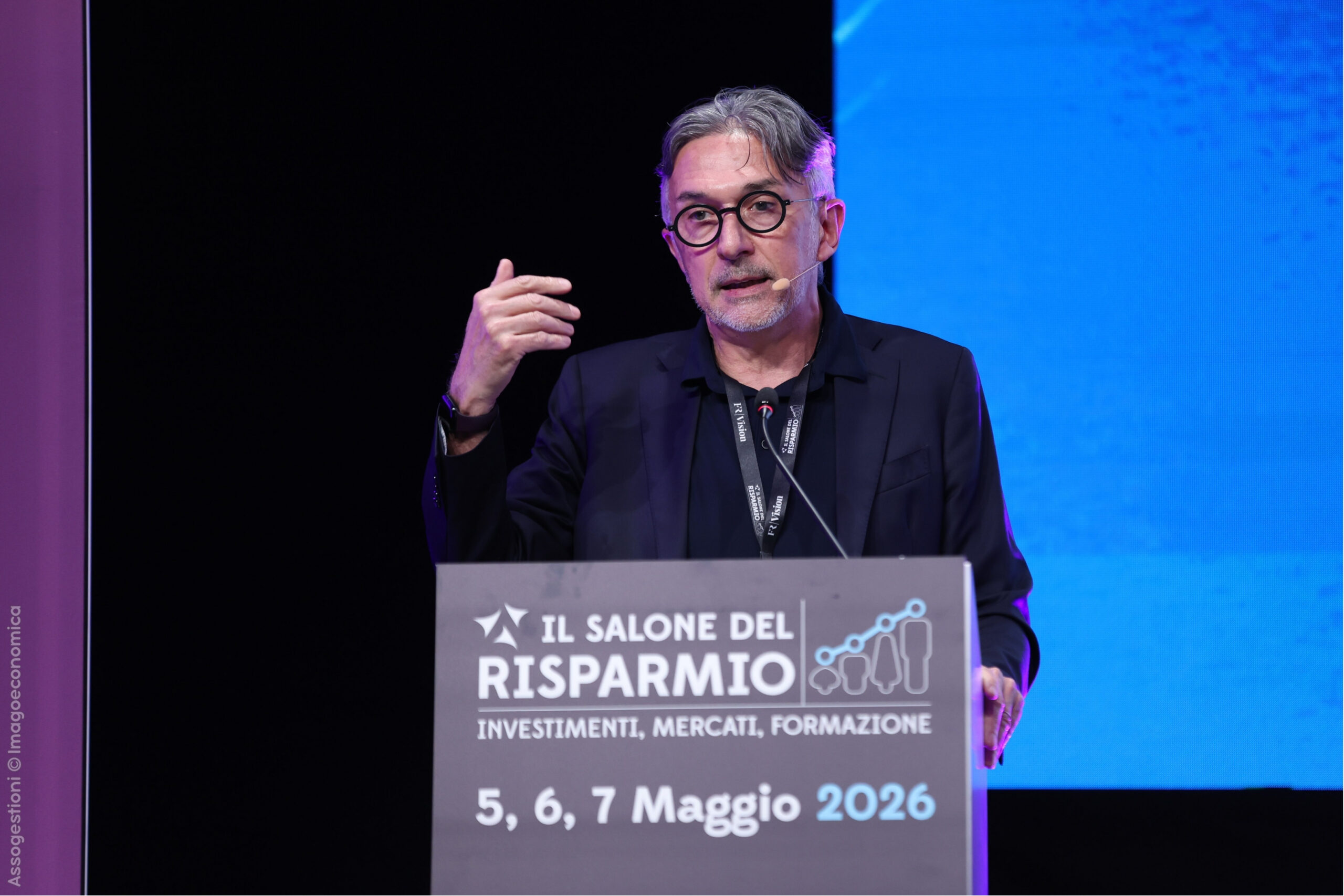
Artificial intelligence is often described as a technological revolution. But its real impact, argues Fabio Pammolli, will depend on something much more concrete: infrastructure.
In an op-ed published on 20 May 2026 in Il Foglio, titled “L’AI del Sole, un’autostrada per l’industria del XXI secolo”, the President of AI4I reflects on the strategic role of computing power, energy, networks and industrial capabilities in shaping the future of artificial intelligence.
Drawing a parallel with the historical construction of Italy’s Autostrada del Sole during the years of the economic miracle, the article argues that AI is becoming the new invisible infrastructure connecting markets, factories, skills and production systems.
“The infrastructure of AI may be less visible, but it follows the same logic: a backbone of data centres, networks and energy systems supporting new workshops of intelligence across industrial districts and supply chains.”
The article stresses that the global race on AI is no longer limited to algorithms alone. It increasingly concerns the entire technological stack — from semiconductors and GPUs to energy systems, industrial software and high-performance computing infrastructures.
“At the core of this integrated platform, hardware and software are designed together.”
Particular attention is dedicated to the implications for Europe and Italy’s manufacturing ecosystem. The piece highlights the need for long-term investments, industrial coordination and public-private cooperation capable of strengthening technological sovereignty and industrial competitiveness.
“AI within industrial processes absorbs people, energy, licences, cloud resources, maintenance activities and development costs for datasets, models and system integration.”
The reflection is closely aligned with the mission of AI4I – Italian Institute of Artificial Intelligence: supporting the adoption of artificial intelligence across the productive system while contributing to the development of a robust national and European AI infrastructure ecosystem.
As the article concludes, the challenge today is not simply technological. It is industrial, strategic and systemic — much like the great infrastructure projects that shaped Italy’s economic transformation in the twentieth century.