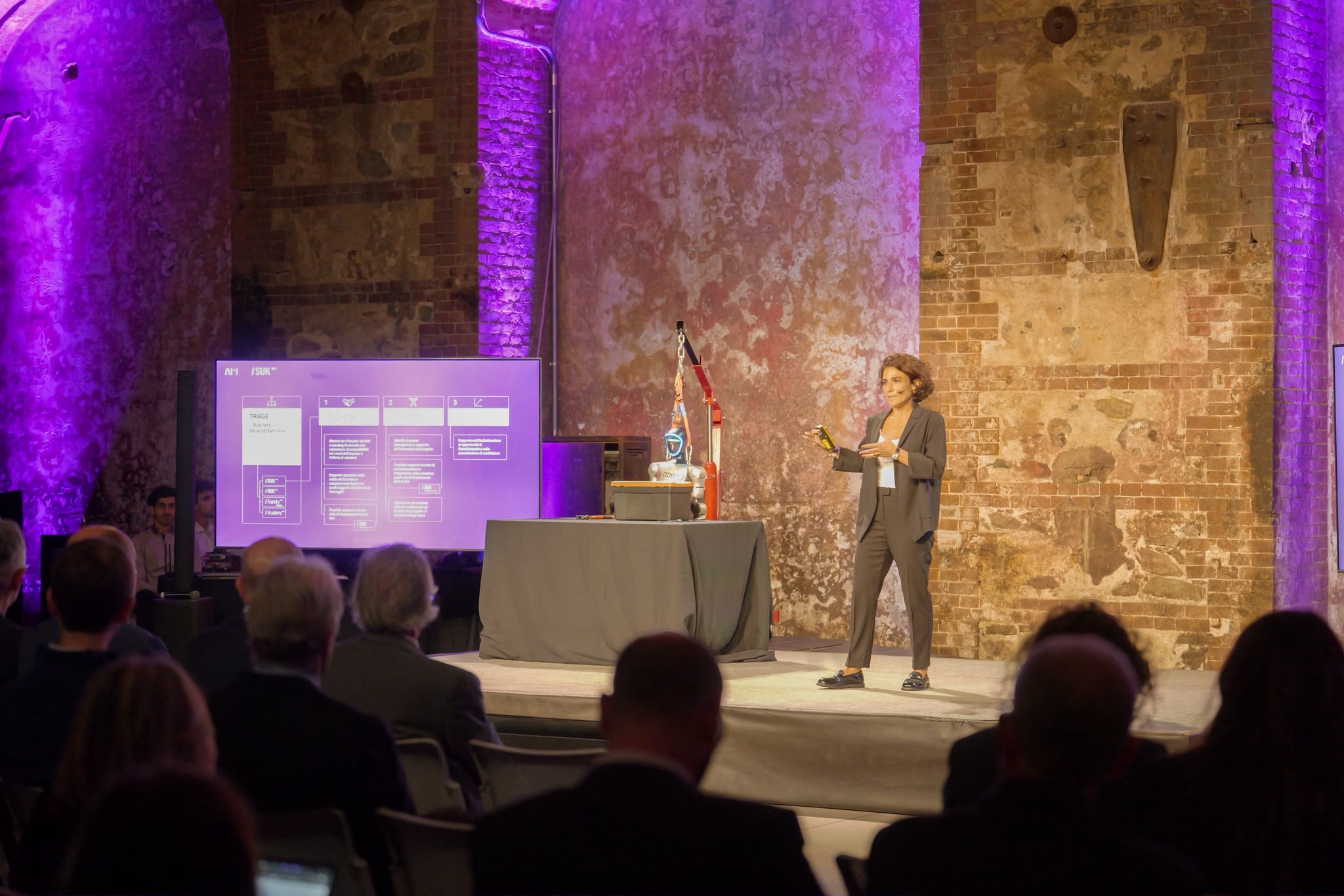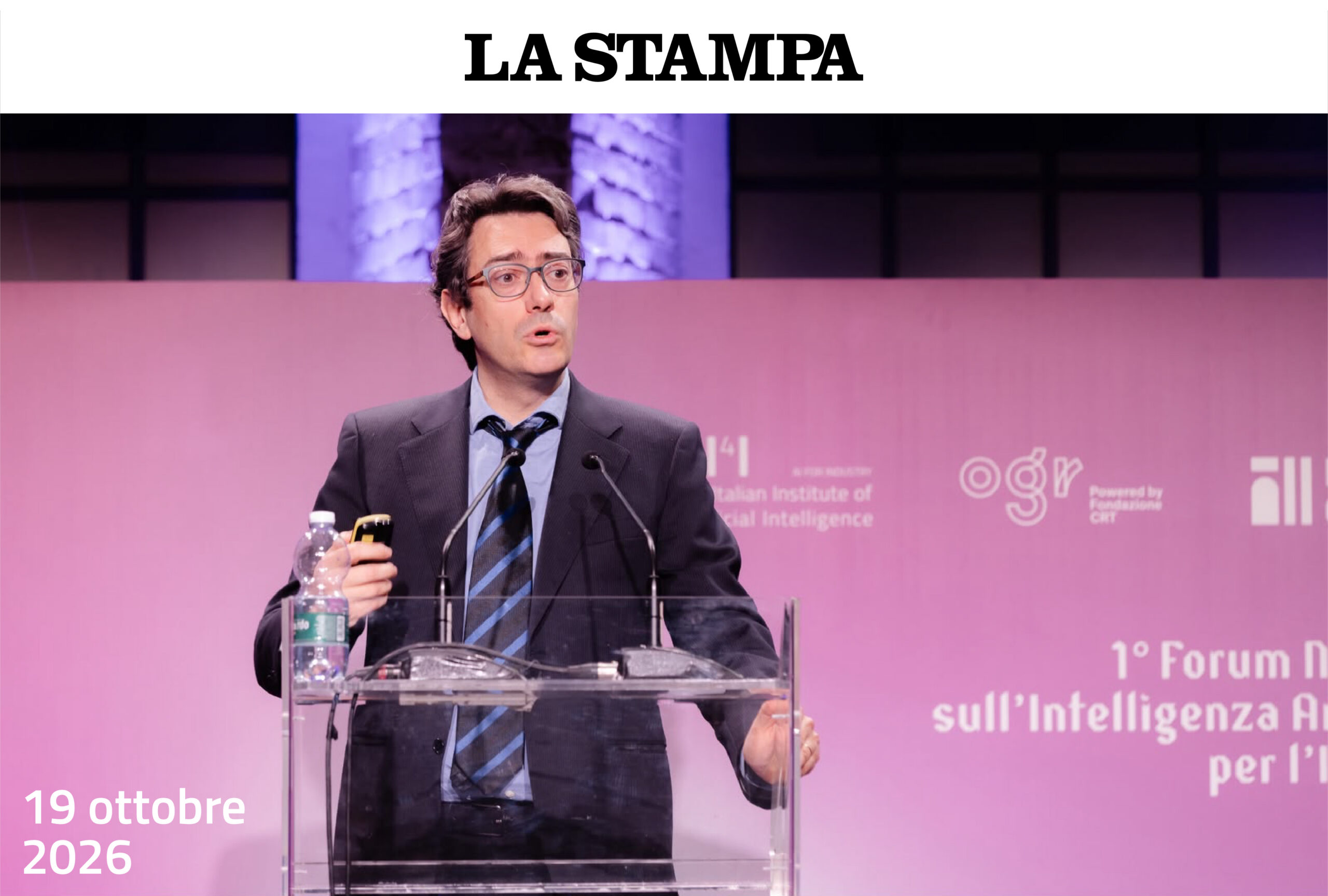
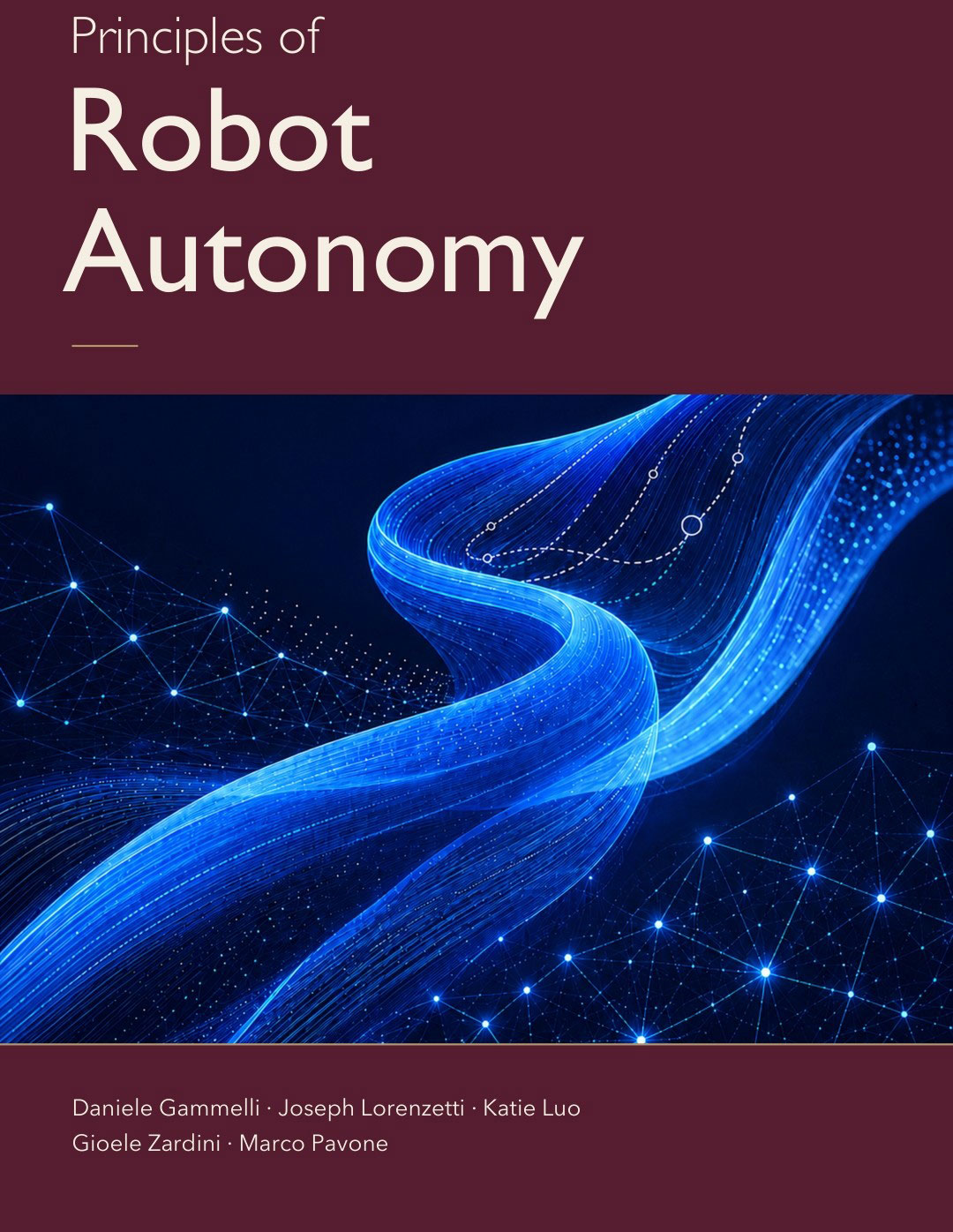
Marco Pavone, Chair of AI4I’s Scientific Advisory Board, and Daniele Gammelli, Director of AI4I’s MIRA Lab, and their co-authors announce Principles of Robot Autonomy—a freely accessible robotics curriculum for students, researchers, practitioners and robotics enthusiasts worldwide.
A new resource for robot autonomy research and education
On 22 October 2026, Stanford University announced the launch of Principles of Robot Autonomy (PoRA), an educational initiative that brings together a comprehensive textbook, video lectures and interactive tools to make the foundations of modern robotics accessible worldwide.
The authors include Marco Pavone, Chair of the Scientific Advisory Board of the Italian Institute of Artificial Intelligence (AI4I) and Professor at Stanford University, and Daniele Gammelli, Director of AI4I’s MIRA – Machine Intelligence for Robot Autonomy Lab, alongside Joseph Lorenzetti, Katie Luo and Gioele Zardini.
Building on the robot autonomy courses taught by Pavone and Gammelli at Stanford, the project offers a systematic introduction to the theoretical foundations and methodologies that enable robotic systems to perceive their surroundings, make decisions and act autonomously.
Bridging classical robotics and Physical AI
Autonomous robotics is undergoing a profound transformation. Advances in artificial intelligence and machine learning are expanding the capabilities of robotic systems, enabling them to perform increasingly complex tasks in dynamic and uncertain environments.
Principles of Robot Autonomy, forthcoming in print from Cambridge University Press and already freely available online, addresses these developments through an integrated approach encompassing perception, state estimation, planning, control and learning.
The textbook provides a comprehensive understanding of the autonomy stack, connecting established robotics methodologies with modern AI-based techniques.
This approach is particularly relevant to Physical AI, a rapidly advancing research field focused on integrating artificial intelligence with interaction in the physical world, with applications ranging from industrial robotics and autonomous mobility to aerospace systems.
An open and interactive learning ecosystem
PoRA extends well beyond the traditional university textbook. The initiative brings together a coordinated collection of freely accessible educational resources:
- The complete textbook, available online.
- Video lectures from Stanford courses on robot autonomy and optimal and learning-based control.
- Hands-on exercises featuring Python implementations and Jupyter notebooks.
- Lecture slides and teaching resources for educators.
Ask the Book, an AI-powered study assistant integrated throughout the textbook, designed to explain concepts, clarify mathematical derivations and connect topics across chapters.
By making advanced scientific knowledge and practical tools openly available, the initiative aims to broaden access to robotics education and support the development of interdisciplinary expertise essential to technological progress.
AI4I’s contribution to international research on autonomous systems
The involvement of Marco Pavone and Daniele Gammelli reflects the international scientific connections and research expertise that underpin AI4I’s activities.
Pavone, Chair of the Institute’s Scientific Advisory Board, conducts research at Stanford University in autonomous systems, robotics and intelligent mobility.
Gammelli, who previously conducted research at Stanford, leads AI4I’s MIRA – Machine Intelligence for Robot Autonomy Lab, which develops the algorithmic foundations and system-level methodologies required for AI-powered autonomous systems to operate safely, efficiently and reliably.
The laboratory’s research spans machine learning, control theory, mathematical optimization and multi-agent systems, with applications in aerospace robotics, future mobility and robotics at large.
Their contribution to Principles of Robot Autonomy highlights the connections between the international research community and the scientific expertise brought together at AI4I, in a field increasingly central to the development of artificial intelligence and its industrial applications.
Explore the project
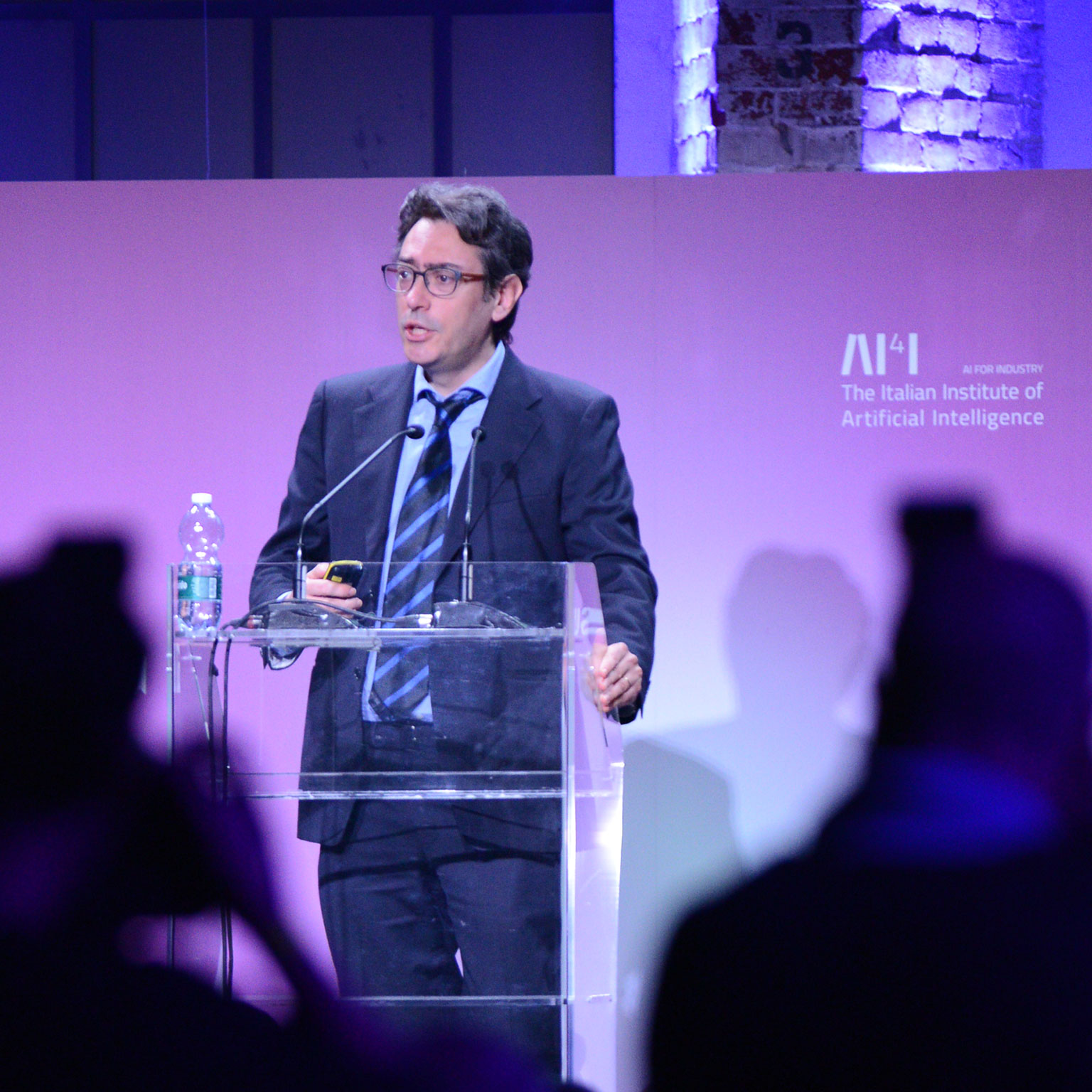
Marco Pavone

Daniele Gammelli